PLANT & MACHINERY / MATERIAL HANDLING
Conveyor motor and pulley monitoring
One seized idler stops the entire line
Conveyors carry the critical overland and intra-site transport on quarries, ports, mines and process plants, and they fail at the rotating elements: drive motors, gearboxes and the pulleys and idlers strung along runs that can be hundreds of metres long. A single bearing that runs dry takes the whole line with it, and on a bulk outload that is measured in tonnes per hour of lost throughput. The runs are exactly the places nobody wants to walk with a handheld meter, often exposed, elevated, dusty and awkward to reach, so inspection is infrequent and the first sign of a problem tends to be smoke, a belt tracking off, or a stopped line at the worst moment.
Talk through your site ● Answered within one working day
The difference
Conveyor monitoring: what changes the day it goes live
Conveyors carry the critical overland and intra-site transport on quarries, ports, mines and process plants, and they fail at the rotating elements: drive motors, gearboxes and the pulleys and idlers strung along runs that can be hundreds of metres long. A single bearing that runs dry takes the whole line with it, and on a bulk outload that is measured in tonnes per hour of lost throughput. The runs are exactly the places nobody wants to walk with a handheld meter, often exposed, elevated, dusty and awkward to reach, so inspection is infrequent and the first sign of a problem tends to be smoke, a belt tracking off, or a stopped line at the worst moment.
- Vibration and bearing temperature on drive motors, gearboxes and the pulleys that matter, on runs where a manual inspection route is genuinely difficult to walk
- Motor current to show load, run state and whether a drive is working harder than it was, which often reveals a tracking or material-build problem before the bearings do
- Alarms on the specific asset rather than the line, so a fitter goes to the right idler instead of walking the run looking for the hot one
- Throughput protection: a planned bearing change in a shutdown window instead of an unplanned stop mid-outload
What you get
- 01
Vibration and bearing temperature on drive motors, gearboxes and the pulleys that matter, on runs where a manual inspection route is genuinely difficult to walk
- 02
Motor current to show load, run state and whether a drive is working harder than it was, which often reveals a tracking or material-build problem before the bearings do
- 03
Alarms on the specific asset rather than the line, so a fitter goes to the right idler instead of walking the run looking for the hot one
- 04
Throughput protection: a planned bearing change in a shutdown window instead of an unplanned stop mid-outload
The full stack, applied here
All five layers, one accountable system
Every Indiott build runs all five layers as one accountable system. Follow a single live signal from the sensor that catches it to the report that proves it.
Turnkey LoRaWAN and industrial sensors read the physical world at the edge, on battery, without rewiring the site.
Hands a reading to CONNECT ↓
Gateways, industrial routers and serial device servers carry every reading back over LoRaWAN, 4G, 5G, Ethernet or satellite, so the far edge reports as reliably as the plant room.
Hands a signed stream to SECURE ↓
OT security by design: managed switching, VPN and firewall routers, protocol gateways and hardware data diodes keep the network segmented and the data tamper-evident to IEC 62443.
Hands a trusted stream to CONTROL ↓
When you want the system to act, remote IO, wireless valves and the bespoke Indiott Engineering line close the loop, dose, switch, isolate or interlock, with no human in the middle.
Hands an action to MANAGE ↓
The software layer turns it into decisions: live dashboards, mapping, alarming and analytics, with one-tap reports and clean feeds into your SCADA, BMS or existing platform.
The loop is closed ✓
How teams start
From a single pilot to the whole portfolio
You do not boil the ocean. Nearly every rollout runs the same four moves, and you own a working, evidenced result at the end of the first one.
Scope & risk map
We walk the sites, list the assets and pin the one constraint that matters, then agree what a good result looks like before a single sensor is bought.
Pilot on one site
A focused set of sensors goes onto one site or asset group, live on our telemetry and dashboards, wired to the people who need the alert.
Validate & standardise
We tune thresholds, kill false positives, confirm the integration into your SCADA, BMS or CAFM, and write the standard design down so it repeats.
Scale the portfolio
The proven design rolls out across the estate, reusing the same hardware standards and data models so every site reads the same way.
The conveyor monitoring kit we deploy
Full catalogue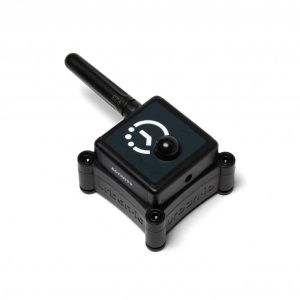 Urban.io Activity Sensor
Request a price
Urban.io Activity Sensor
Request a price
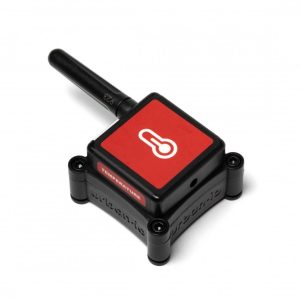 Urban.io Ambient Temperature Sensor
Request a price
Urban.io Ambient Temperature Sensor
Request a price
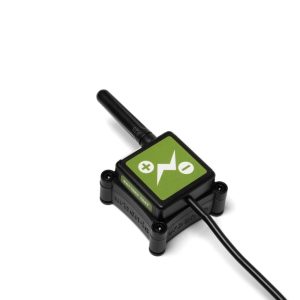 Urban.io Battery Test Sensor
Request a price
Urban.io Battery Test Sensor
Request a price
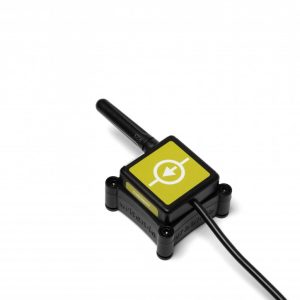 Urban.io Current Sensor
Request a price
Urban.io Current Sensor
Request a price
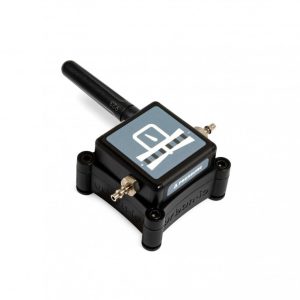 Urban.io Delta Pressure Sensor
Request a price
Urban.io Delta Pressure Sensor
Request a price
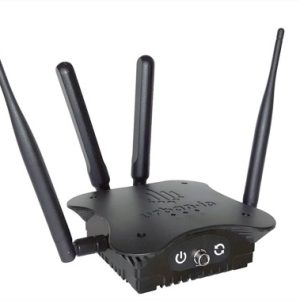 Urban.io Gateway
Request a price
Urban.io Gateway
Request a price
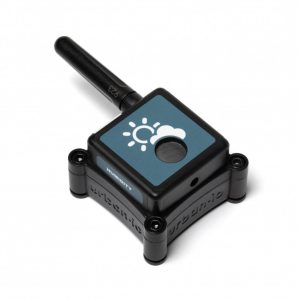 Urban.io Humidity Sensor
Request a price
Urban.io Humidity Sensor
Request a price
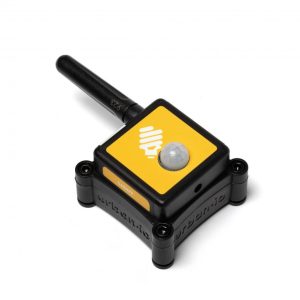 Urban.io Light Sensor
Request a price
Urban.io Light Sensor
Request a price
| Model | Key specification | Price ex VAT | Availability |
|---|---|---|---|
| Urban.io Activity Sensor | — | Price on request | Quote only |
| Urban.io Ambient Temperature Sensor | — | Price on request | Quote only |
| Urban.io Battery Test Sensor | — | Price on request | Quote only |
| Urban.io Current Sensor | — | Price on request | Quote only |
| Urban.io Delta Pressure Sensor | — | Price on request | Quote only |
| Urban.io Gateway | — | Price on request | Quote only |
| Urban.io Humidity Sensor | — | Price on request | Quote only |
| Urban.io Light Sensor | — | Price on request | Quote only |
Brands in this kit: Urban.io
Why Indiott
A specialist stack, not a box-shifter
Brand-agnostic by design
We pick the best of each brand for the layer and the environment, not one vendor catalogue. Milesight, AquaIoT, Atop, Browan, SpecSens and Urban.io, chosen on merit.
The whole stack, one supplier
Sensing, connectivity, OT security, control and the dashboard come from one accountable team, so there is no finger-pointing when something needs to talk to something else.
Specified and supported in Britain
UK-based engineers scope the site, quote the kit and stand behind it, with compliance mapped to the regimes your auditors actually cite.
Honest kit, honest pricing
Prices are shown where we can, quoted fast where we cannot, and you get a straight answer and a bill of materials within one working day.
 DEPLOYED IN THE FIELD
Compliance this answers to
| Standard | What it requires |
|---|---|
| PUWER 1998 | condition evidence supports the duty to maintain work equipment in an efficient state, in efficient working order and in good repair |
| ISO 10816 / ISO 20816 | recognised vibration severity zones give defensible alarm thresholds on drive motors and gearboxes |
| DSEAR / ATEX where dust is present | early detection of hot bearings is a recognised ignition-source control on bulk material handling |
What it costs, roughly
Instrumenting a drive head with vibration, bearing temperature and motor current sits in the low hundreds of pounds per drive. Idlers and pulleys along the run are cheaper again because they typically take vibration alone. The gateway covers the whole run, so a long conveyor is one of the better cost-per-point cases we see. Itemised quote within one working day.
Conveyor monitoring: asked before buying
How many idlers do we actually need to instrument?
Usually far fewer than people expect. Drive and tail pulleys, the gearbox and any historically troublesome idler will give most of the value. Instrumenting every idler on a 400 m run is rarely the right answer, and we will say so rather than quote you for it. Start with the drive head and the known problem points, then extend if the data justifies it.
Will the sensors survive the dust and washdown?
The sensor enclosure is IP67, so dust and water jets are within its design envelope, and it operates from minus 40 to plus 85 degrees. What we would flag is mounting: on a heavy-impact transfer point, mount on the bearing housing rather than anywhere that takes direct material strike.
Does the current sensor need an electrician?
The CT clips around the existing conductor without breaking it, but the panel it lives in is still a live panel, so it should be fitted by someone competent to work in it. The sensor itself is battery powered and needs no supply of its own.
Related solutions
Next step
Scope it with an engineer.
Tell us the site, the assets and the constraint. You get a bill of materials and a straight answer within one working day.
- A bill of materials sized to your site
- Priced ex VAT, UK entity, no login wall
Rather talk it through? Call 023 9223 3611
Received. An engineer has it.
You will hear back within one working day with the parts, the prices and the lead time. A confirmation is on its way to your inbox.
If it is urgent, call 023 9223 3611.