BUILDINGS & ENERGY / WORKPLACE & ESTATES
Desk Occupancy Sensors, Bought Outright (UK)
Most estates pay rent, heating and cleaning on space nobody can prove is used. Anonymous sensors settle it in a fortnight.
Talk through your floor plan ● Answered within one working day
Live simulation of a monitored floor
Deployed for







The desk occupancy sensor kit we deploy
Full catalogue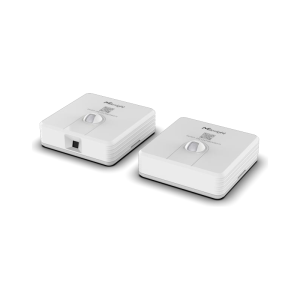 Milesight VS340 / VS341 Desk & Seat Occupancy Sensor
£43.39 ex VAT
Milesight VS340 / VS341 Desk & Seat Occupancy Sensor
£43.39 ex VAT
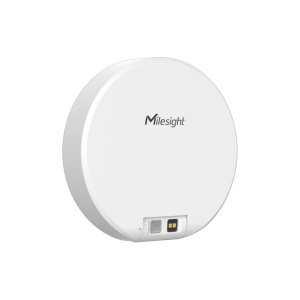 Milesight VS330 Bathroom Occupancy Sensor
£67.34 ex VAT
Milesight VS330 Bathroom Occupancy Sensor
£67.34 ex VAT
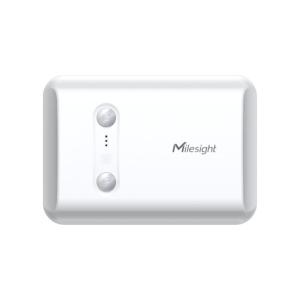 Milesight VS350 Passage People Counter
£74.82 ex VAT
Milesight VS350 Passage People Counter
£74.82 ex VAT
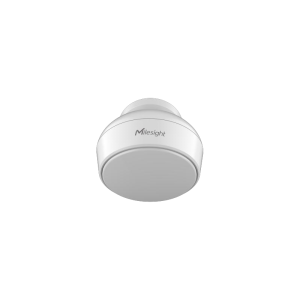 Milesight VS370 Radar Human Presence Sensor
£74.82 ex VAT
Milesight VS370 Radar Human Presence Sensor
£74.82 ex VAT
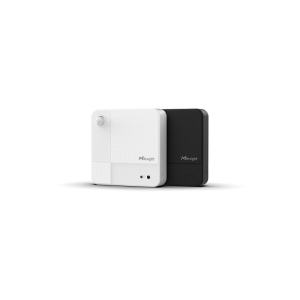 Milesight VS321 AI Workplace Occupancy Sensor
£124.20 ex VAT
Milesight VS321 AI Workplace Occupancy Sensor
£124.20 ex VAT
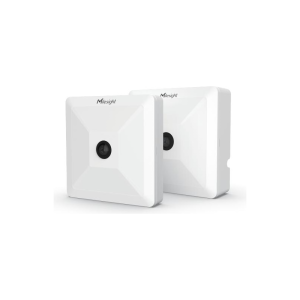 Milesight VS121 AI Workplace Occupancy Sensor
£276.82 ex VAT
Milesight VS121 AI Workplace Occupancy Sensor
£276.82 ex VAT
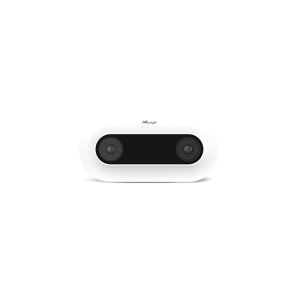 Milesight VS125 AI Stereo Vision People Counter
£374.08 ex VAT
Milesight VS125 AI Stereo Vision People Counter
£374.08 ex VAT
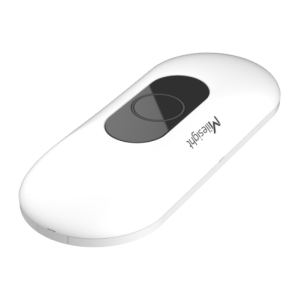 Milesight VS133-P AI ToF People Counting Sensor
£492.30 ex VAT
Milesight VS133-P AI ToF People Counting Sensor
£492.30 ex VAT
Brands in this kit: Milesight
The blind spot
Your building knows who came in. It does not know what they used.
- 01
Badge data tells you who entered the building, not whether the third floor sat empty all week.
- 02
Meeting rooms booked at 9am might have held one person, or none. Nobody finds out.
- 03
Leases get renewed on guesswork, cleaning runs to a fixed rota, and hot-desking ratios are set by hope.
The cost is square footage you do not need, energy spent conditioning empty zones, and a workplace plan that cannot survive a finance review.
 Ceiling ToF counter
Meeting Room 4B booked 09:00 to 10:00. Zero occupancy for 47 minutes.
Anonymous by design
A count, never an image
The sensor runs its AI on the device and emits one number. There is no video stream, no frame stored, nothing for a DPO to govern.
- Per desk, room and floorReal occupancy counts, not badge swipes or booking intentions.
- Battery LoRaWANCeiling or desk mounted, no power run, no cabling programme, reversible when the space changes.
- Two gateways per floorWhole-floor coverage from a few ceiling points, off your corporate network.
What your team sees
One console for the whole floor
What an estates team works from, and what each reading settles.
-
01
Utilisation, live
What share of the floor is in use now, not what the booking system hoped.
-
02
Desks, not badges
Occupied against installed, so the hot-desking ratio becomes a measurement.
-
03
Booked and empty
The meetings that never happened, ready to release.
Where it lands
Four questions one floor answers
-
01
Desks and benches
Per-desk presence, so a bank that never fills shows up as a number.
-
02
Meeting rooms
Booked against occupied, and rooms released automatically when nobody arrives.
-
03
Corridors and entrances
Passage counts that give the floor a real headcount through the day.
-
04
Consolidation
Evidence to hand back a floor at lease break rather than argue about it.
The difference
Desk occupancy sensor: what changes the day it goes live
Nobody can say which desks, rooms or floors were used last week, so every property decision is a guess and every rota runs on a timer.
- Real occupancy counts per desk, room, zone and floor, not badge swipes or booking intentions
- Evidence to rationalise floor area, hand back a lease or consolidate without guesswork
- Cleaning, catering and FM triggered by actual use rather than a fixed daily rota
- Anonymous people counting that never captures an image, so it clears with the DPO on day one
- Desks monitored
- 248–
- Peak floor utilisation
- 63%–
- Rooms booked, sat empty
- 17–
- Floors reviewable
- 1 of 5–
What gets mounted, and where
Three ceiling points cover a floor
No cameras on the network, no cabling to a desk, nothing that needs a riser.
- SENSE
Workplace sensors and time-of-flight counters for rooms and entrances, desk and seat occupancy sensors, passage counters for corridors, and ambience sensors that add air quality alongside occupancy
- CONNECT
LoRaWAN gateways for whole-floor coverage from a few ceiling points, no per-desk cabling and no cameras on the network
- MANAGE
Dashboards for utilisation by desk, room and floor, peak-and-average heatmaps, and feeds into IWMS, BMS or your existing FM platform
Anonymous by design. No image leaves the sensor, so the DPO signs it off on day one.
- UK GDPR
- DPA 2018
- BREEAM In-Use
- WELL
The full stack, applied here
One empty floor, measured into a lease decision
Every Indiott build runs all five layers as one accountable system. Follow a single desk vacancy from the sensor that catches it to the report that proves it.
Time-of-flight ceiling counters and desk sensors count occupancy at the edge with no image ever leaving the device, so a floor is measured, not guessed from badge swipes.
Hands anonymous counts to CONNECT ↓
A LoRaWAN gateway covers a whole floor from a few ceiling points, so desks, rooms and corridors report without per-desk cabling and with no cameras on the network.
Hands a floor uplink to SECURE ↓
The stack already isolates this: a managed switch VLAN-segments the sensor network and a VPN router encrypts the backhaul, so occupancy data never touches corporate IT unprotected.
Hands a trusted stream to CONTROL ↓
Ready when you want the data to act: Remote IO and load control let occupancy release ventilation, lighting and cleaning by zone instead of running to a fixed timer.
Hands demand triggers to MANAGE ↓
Urban.io dashboards turn counts into peak-and-average heatmaps, BREEAM In-Use evidence and IWMS or BMS feeds that justify handing back a floor at lease break.
The loop is closed ✓
How teams start
From a single pilot to the whole portfolio
You do not boil the ocean. Nearly every rollout runs the same four moves, and you own a working, evidenced result at the end of the first one.
Scope & risk map
We walk the sites, list the assets and pin the one constraint that matters, then agree what a good result looks like before a single sensor is bought.
Pilot on one site
A focused set of sensors goes onto one site or asset group, live on our telemetry and dashboards, wired to the people who need the alert.
Validate & standardise
We tune thresholds, kill false positives, confirm the integration into your SCADA, BMS or CAFM, and write the standard design down so it repeats.
Scale the portfolio
The proven design rolls out across the estate, reusing the same hardware standards and data models so every site reads the same way.
Compliance this answers to
| Standard | What it requires |
|---|---|
| UK GDPR and DPA 2018 | edge AI counts people anonymously with no image stored or transmitted, so there is no personal data to govern |
| BREEAM In-Use and WELL | occupancy and environmental evidence supports indoor air quality, comfort and operational credits |
| Net-zero estate strategy | verified floor-area utilisation underpins rationalisation and reduces conditioned space and embodied carbon |
What it costs, roughly
An indicative pilot across one floor, a dozen meeting rooms with ToF counters, two corridor passage counters and a sample of desk sensors, lands as a rough order of magnitude in low single-digit thousands of pounds in hardware, plus a gateway and a year of dashboards. That is the sort of spend that pays back against a single floor handed back at lease break. Exact figures come back on your floor plan and headcount within one working day.
The short answer
Can you buy desk occupancy sensors outright, without a monthly subscription?
Yes. A Milesight VS340 desk sensor is £43.39 ex VAT, bought outright with no per-desk monthly fee. It mounts under the desk, detects presence by infrared rather than by camera, and reports over LoRaWAN to a gateway you also own. A radar presence sensor is £74.82.
Frequently asked questions
What is the difference between an occupancy sensor and a people counter?
An occupancy sensor answers whether a space is in use right now, per desk, room or zone. A people counter measures flow across a line, so you get entries and exits and a live headcount for a floor or entrance. Most estates use both: the Desk and Seat Occupancy Sensor at £43.39 ex VAT for desks, and a VS133-P ToF counter at £492.30 for doorways.
Do occupancy sensors use cameras, and are they GDPR compliant?
The sensors we deploy process on the device and output a number, not an image. Time of flight and infrared units such as the VS133-P and VS321 never send video off the sensor, so there is no personal data to store and no footage to disclose. That normally clears a DPO review as anonymous counting rather than CCTV, and it avoids the signage and retention burden of camera systems.
How much do occupancy sensors cost in the UK?
Prices run from £43.39 ex VAT for the Desk and Seat Occupancy Sensor and £74.82 for the VS350 passage counter, up to £124.20 for the VS321 workplace occupancy sensor, £374.08 for the VS125 stereo vision counter and £492.30 for the VS133-P ToF counter. A UG65 LoRaWAN gateway is £279.82 and covers a whole floor.
How many sensors and gateways does one floor need?
Count one sensor per desk or per meeting room, plus one counter per entrance or stair core you want to measure. A single UG65 LoRaWAN gateway at £279.82 ex VAT typically serves an entire floor of around 80 nodes from a couple of ceiling positions, so you avoid per-desk cabling. Large or heavily partitioned floorplates may need a second gateway.
How do the readings reach our BMS, CAFM or IWMS?
The gateway forwards uplinks north over MQTT or HTTP, so counts land in the platform you already run rather than a separate portal. For building control, a UC300 remote IO unit and WS558 load controller expose Modbus so occupancy can release lighting, ventilation and heating by zone. BACnet or IWMS feeds are handled at the integration layer.
What accuracy and battery life should I expect?
Milesight quotes above 99 per cent counting accuracy for the VS133-P mounted between 2.4 and 3.5 metres, and the VS126 is designed for high ceilings such as atria and warehouses. Overhead counters like the VS133-P are powered over PoE, while desk and room sensors run on internal batteries with multi-year life, so no power run is needed at the desk.
Related
Buying this in the UK
- Desk occupancy sensors from £43.39 ex VAT, bought outright — no per-desk subscription.
- Supplied by Indiott, a trading name of PSI Technologies Limited (Companies House 03689664, VAT GB 730 2340 83), Hampshire, United Kingdom.
- Every price is published ex VAT at indiott.com — no quote needed to see it.
- Typically dispatched within 14 working days from the UK, on a VAT invoice.
- Call 023 9223 3611 or request a quote.
Related solutions
Compare the models
Next step
Scope it with an engineer
Send the floor plan and the headcount. You get a bill of materials, a sensor count and a straight answer within one working day.
- Sensor count and positions worked off your own floor plan
- Gateway coverage checked before anything is quoted
- Priced ex VAT, UK entity, no login wall
- Pilot first, portfolio second
Rather talk it through? Call 023 9223 3611
Received. An engineer has it.
You will hear back within one working day with the parts, the prices and the lead time. A confirmation is on its way to your inbox.
If it is urgent, call 023 9223 3611.