BUILDINGS & ENERGY / HEATING & HVAC
LoRaWAN Radiator Thermostats and TRVs (UK)
Heating runs to a clock and one setpoint while half the building is the wrong temperature. The thermostat on the wall cannot see any of it.
Talk through your stock ● Answered within one working day
Live simulation of a monitored floor
Deployed for







The LoRaWAN TRV kit we deploy
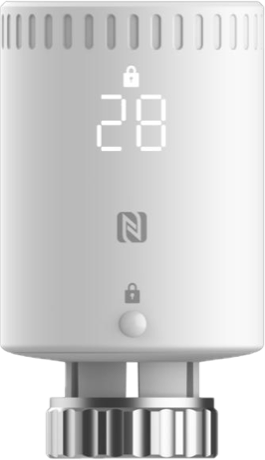
Full catalogue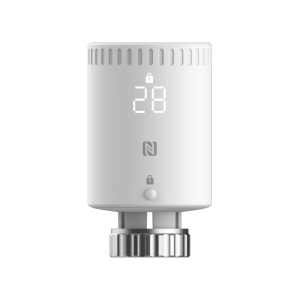 Milesight WT101 Smart Radiator Thermostat
£59.85 ex VAT
Milesight WT101 Smart Radiator Thermostat
£59.85 ex VAT
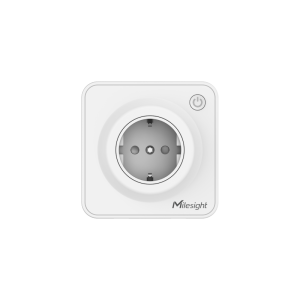 Milesight WS513 Smart Wall Socket
£62.85 ex VAT
Milesight WS513 Smart Wall Socket
£62.85 ex VAT
 Milesight WT102 Smart Radiator Thermostat
£97.26 ex VAT
Milesight WT102 Smart Radiator Thermostat
£97.26 ex VAT
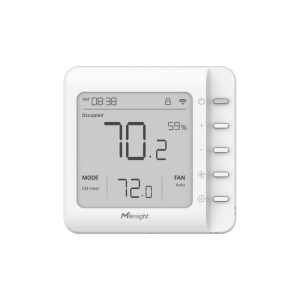 Milesight WT201 Smart Thermostat
£97.26 ex VAT
Milesight WT201 Smart Thermostat
£97.26 ex VAT
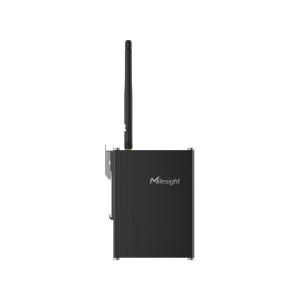 Milesight UC300 IoT Controller
£104.74 ex VAT
Milesight UC300 IoT Controller
£104.74 ex VAT
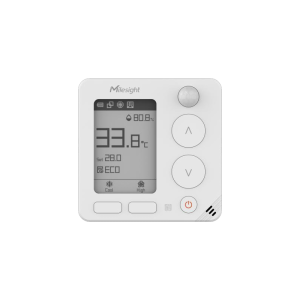 Milesight WT401 Smart Thermostat
£112.23 ex VAT
Milesight WT401 Smart Thermostat
£112.23 ex VAT
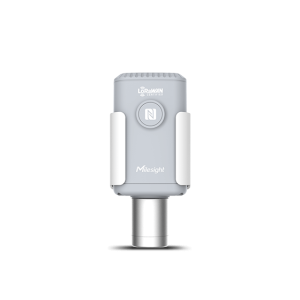 Milesight EM500-CO2 CO2 Sensor (4 in 1)
£179.56 ex VAT
Milesight EM500-CO2 CO2 Sensor (4 in 1)
£179.56 ex VAT
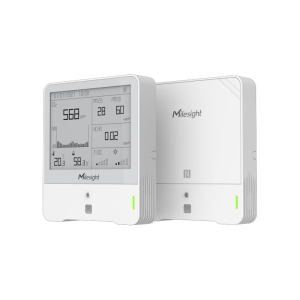 Milesight AM307 / AM308 / AM319 Indoor Ambience Monitoring Sensor
£224.45 ex VAT
Milesight AM307 / AM308 / AM319 Indoor Ambience Monitoring Sensor
£224.45 ex VAT
Brands in this kit: Milesight
The blind spot
The clock does not know which rooms are occupied.
- 01
Schools overheat in one wing and freeze in another, on the same schedule.
- 02
Commercial estates ventilate full design airflow into meeting rooms nobody booked.
- 03
A landlord facing a damp complaint has no temperature or humidity record to stand behind.
Energy is spent conditioning space nobody is in, comfort arrives by phone call, and when a damp and mould case escalates the evidence does not exist.
Flat 12 · bedroom 17 degrees at 78% relative humidity for three days. Logged, not reported by phone.
It fits on the valve
A thermostat per radiator, not per building
The TRV head replaces the existing one on the valve body, so a room gets its own setpoint without pipework, rewiring or access to a plant room.
- Room by roomTemperature, humidity and CO2 per room, so heating and ventilation follow real conditions rather than a clock.
- Set it without a visitRemote setpoint and valve control fixes a cold or overheating room without sending an engineer.
- A record, not a phone callEvery monitored room keeps a logged temperature and humidity history, which is what a damp and mould case needs.
What your team sees
Every room, not one wall stat
Comfort and damp risk per room, with the evidence already logged.
-
01
Rooms monitored
How much of the stock is actually measured.
-
02
Damp-risk rooms
Flagged on temperature and humidity, before a complaint.
-
03
Average humidity
The estate-wide figure a damp case is argued against.
-
04
Heat into empty rooms
How much conditioning went into space nobody used.
Where it lands
Four estates, one control loop
-
01
Social housing
Damp and mould evidence per room, logged rather than reported by phone.
-
02
Schools
Ventilation and CO2 against BB101, wing by wing.
-
03
Commercial fan coils
Setpoint and valve control without a plant room visit.
-
04
Demand ventilation
Airflow that follows occupancy instead of a timeclock.
The difference
LoRaWAN TRV: what changes the day it goes live
One wall stat and a timeclock decide the temperature of every room, so comfort is a phone call and damp is a complaint.
- Room-by-room temperature, humidity and CO2 so heating and ventilation follow real conditions, not a clock
- Remote setpoint and valve control to fix a cold or overheating room without sending an engineer
- A logged temperature and humidity record for every monitored room, the evidence a damp and mould case needs
- Demand-controlled ventilation that throttles back in empty rooms and ramps up when CO2 climbs
- Rooms monitored
- 184–
- Damp-risk rooms flagged
- 9–
- Avg humidity
- 58%–
- Heating on empty rooms
- -22%–
How the loop closes
Measure the room, move the valve
The sensor reads the room, the rule decides, the valve acts, and the room changes. Nothing in that loop needs a wire pulled through an occupied flat.
- SENSE
LoRaWAN radiator thermostats and per-room temperature, humidity and CO2 sensors, giving the comfort and air-quality picture the wall stat cannot
- CONNECT
LoRaWAN gateways covering a whole block from a handful of points, no rewiring of tenanted or occupied rooms
- CONTROL
Smart room thermostats and fan-coil thermostats for setpoint and valve control, a light and load controller and remote IO for plant and actuator control
- MANAGE
Dashboards with per-room comfort and humidity trends, damp-and-mould risk alerting, and integration into BMS or housing management systems
A logged record per room. The evidence a damp case needs.
- Awaab's Law
- Part F
- TM52
- Social Housing regime
The full stack, applied here
One damp complaint, evidenced and heated right
Every Indiott build runs all five layers as one accountable system. Follow a single cold sentinel from the sensor that catches it to the report that proves it.
LoRaWAN temperature, humidity and CO2 sensors read every monitored room minute-by-minute, so a cold, damp flat is proven with data the wall stat never sees.
Hands room chemistry to CONNECT ↓
A LoRaWAN gateway covers a whole block from a handful of points, so battery sensors and radiator thermostats report with no rewiring of tenanted rooms.
Hands a room uplink to SECURE ↓
The stack already isolates this: a managed switch VLAN-segments the heating network from housing IT and a VPN router encrypts the link, so setpoint control cannot be reached from outside.
Hands a trusted path to CONTROL ↓
Smart room thermostats and fan-coil thermostats take a remote setpoint, and load control and remote IO drive TRV valves and plant, so a cold room is fixed without an engineer visit.
Hands a correction and proof to MANAGE ↓
Urban.io dashboards trend per-room comfort and humidity, raise the damp-and-mould alerts Awaab Law demands, and feed BMS or housing management systems.
The loop is closed ✓
How teams start
From a single pilot to the whole portfolio
You do not boil the ocean. Nearly every rollout runs the same four moves, and you own a working, evidenced result at the end of the first one.
Scope & risk map
We walk the sites, list the assets and pin the one constraint that matters, then agree what a good result looks like before a single sensor is bought.
Pilot on one site
A focused set of sensors goes onto one site or asset group, live on our telemetry and dashboards, wired to the people who need the alert.
Validate & standardise
We tune thresholds, kill false positives, confirm the integration into your SCADA, BMS or CAFM, and write the standard design down so it repeats.
Scale the portfolio
The proven design rolls out across the estate, reusing the same hardware standards and data models so every site reads the same way.
Compliance this answers to
| Standard | What it requires |
|---|---|
| Awaab's Law and the Social Housing (Regulation) Act | continuous temperature and humidity logging gives the evidence and response trail required for damp and mould cases |
| Building Regulations Part F | CO2 and humidity monitoring supports demand-controlled ventilation and proof of adequate indoor air quality |
| Heat Network (Metering and Billing) Regulations | room and zone data complements heat metering for fair, transparent charging |
| CIBSE TM52 overheating | monitored room temperatures evidence and help mitigate overheating risk in summer |
What it costs, roughly
An indicative pilot across one block, radiator or fan-coil thermostats and CO2 sensors in a sample of flats or rooms, a gateway and a year of dashboards, is a rough order of magnitude of low thousands of pounds in hardware. For social housing the saving is measured in callouts avoided and damp cases evidenced before they escalate; for commercial estates it is in energy not spent conditioning empty rooms. Exact figures come back on your room and plant schedule within one working day.
The short answer
What does a LoRaWAN radiator thermostat cost?
A LoRaWAN radiator valve costs from £59.85 ex VAT. The Milesight WT101 replaces the existing TRV head in minutes and reports and schedules over LoRaWAN, which suits social housing, nursing homes and multi-site retrofit where running new wiring to every radiator is not viable. Fan-coil thermostats are £89.78.
Frequently asked questions
Which thermostat suits radiators, and which suits a heating zone?
For hydronic radiators the WT101 smart radiator thermostat (£59.85 ex VAT) and higher-torque WT102 (£97.26) replace the TRV head and modulate flow per room. For a wall zone stat, the WT201 (£97.26) or WT401 (£112.23) control a heating circuit.
Do I need to rewire the building to fit these?
No. The thermostats and valves communicate over LoRaWAN, a long-range low-power radio on the EU868 band, so one gateway covers a large building and there is no control wiring back to a panel. A semi-industrial UG65 gateway is £279.82 ex VAT. The radiator heads are battery powered and fit in minutes onto a standard valve body.
How does occupancy or demand reduce runtime?
Pairing an AM103 ambience sensor (£127.19 ex VAT), which reads temperature, humidity and CO2, lets the thermostat lower the setpoint in empty or well-ventilated rooms and raise it only when needed. Heating tracks real demand rather than a fixed timeclock, which is where the bulk of wasted runtime in overheated or unoccupied zones is recovered.
Can it integrate with our existing BMS or controls?
Yes. The gateway forwards readings north over MQTT or HTTP, and Milesight UC controllers add Modbus TCP so a BMS or SCADA head-end can read and command zones. Data lands in your existing front end rather than a separate portal, so facilities teams keep one pane of glass across heating, ventilation and metering.
How long do the batteries last on the valves?
The WT101 radiator thermostat runs for roughly two years on its cells under a normal reporting and actuation schedule. Reporting less often extends life; frequent movement of the valve motor shortens it. Because the cells are user-replaceable, a swap is a quick maintenance task rather than replacing the whole head.
What standards and protocols does it use?
The wireless link is LoRaWAN on EU868, compliant with standard LoRaWAN gateways and network servers. Northbound integration is MQTT or HTTP from the gateway, with Modbus TCP available through UC controllers for BMS and BACnet-gateway environments. This keeps the system open rather than tied to one proprietary controls ecosystem.
Buying this in the UK
- LoRaWAN radiator thermostats from £59.85 ex VAT; fan-coil thermostats from £89.78.
- Supplied by Indiott, a trading name of PSI Technologies Limited (Companies House 03689664, VAT GB 730 2340 83), Hampshire, United Kingdom.
- Every price is published ex VAT at indiott.com — no quote needed to see it.
- Typically dispatched within 14 working days from the UK, on a VAT invoice.
- Call 023 9223 3611 or request a quote.
Related solutions
Compare the models
Next step
Scope it against your stock
Tell us the blocks, the room count and the valve bodies you have. You get a head count, a bill of materials and a straight answer within one working day.
- TRV heads matched to the valve bodies already on your radiators
- Gateway coverage checked per block before anything is quoted
- Priced ex VAT, UK entity, no login wall
- Damp and humidity logging included, not a paid extra
Rather talk it through? Call 023 9223 3611
Received. An engineer has it.
You will hear back within one working day with the parts, the prices and the lead time. A confirmation is on its way to your inbox.
If it is urgent, call 023 9223 3611.