PLANT & MACHINERY / POWER DISTRIBUTION
Electrical transformer monitoring
A transformer runs hot for months before it fails
Distribution transformers step high voltage down at key points of a network and then sit, often in a locked substation or a kiosk on the edge of a site, unvisited between statutory inspections. Overheating is the dominant ageing mechanism: sustained high load, a blocked radiator, a failed cooling fan or an unbalanced phase raises winding temperature, insulation life halves for roughly every extra seven degrees, and in the extreme the unit fails or catches fire. None of that is visible from a quarterly walk-round, because the thing that matters is the temperature profile across the months in between, not the reading on the day somebody happened to open the door.
Talk through your site ● Answered within one working day
The difference
Transformer monitoring: what changes the day it goes live
Distribution transformers step high voltage down at key points of a network and then sit, often in a locked substation or a kiosk on the edge of a site, unvisited between statutory inspections. Overheating is the dominant ageing mechanism: sustained high load, a blocked radiator, a failed cooling fan or an unbalanced phase raises winding temperature, insulation life halves for roughly every extra seven degrees, and in the extreme the unit fails or catches fire. None of that is visible from a quarterly walk-round, because the thing that matters is the temperature profile across the months in between, not the reading on the day somebody happened to open the door.
- Tank and radiator temperature trended continuously, so thermal ageing is visible as a curve rather than a series of disconnected spot readings
- Trip and alarm contact state lifted from the existing protection relay without touching the relay itself, so you know the moment something operated
- Early warning on a blocked radiator or failed cooling before the unit is running hard against its thermal limit
- A load and temperature record that supports replacement prioritisation across a fleet of transformers rather than replacing the one that failed most recently
What you get
- 01
Tank and radiator temperature trended continuously, so thermal ageing is visible as a curve rather than a series of disconnected spot readings
- 02
Trip and alarm contact state lifted from the existing protection relay without touching the relay itself, so you know the moment something operated
- 03
Early warning on a blocked radiator or failed cooling before the unit is running hard against its thermal limit
- 04
A load and temperature record that supports replacement prioritisation across a fleet of transformers rather than replacing the one that failed most recently
The full stack, applied here
All five layers, one accountable system
Every Indiott build runs all five layers as one accountable system. Follow a single live signal from the sensor that catches it to the report that proves it.
Turnkey LoRaWAN and industrial sensors read the physical world at the edge, on battery, without rewiring the site.
Hands a reading to CONNECT ↓
Gateways, industrial routers and serial device servers carry every reading back over LoRaWAN, 4G, 5G, Ethernet or satellite, so the far edge reports as reliably as the plant room.
Hands a signed stream to SECURE ↓
OT security by design: managed switching, VPN and firewall routers, protocol gateways and hardware data diodes keep the network segmented and the data tamper-evident to IEC 62443.
Hands a trusted stream to CONTROL ↓
When you want the system to act, remote IO, wireless valves and the bespoke Indiott Engineering line close the loop, dose, switch, isolate or interlock, with no human in the middle.
Hands an action to MANAGE ↓
The software layer turns it into decisions: live dashboards, mapping, alarming and analytics, with one-tap reports and clean feeds into your SCADA, BMS or existing platform.
The loop is closed ✓
How teams start
From a single pilot to the whole portfolio
You do not boil the ocean. Nearly every rollout runs the same four moves, and you own a working, evidenced result at the end of the first one.
Scope & risk map
We walk the sites, list the assets and pin the one constraint that matters, then agree what a good result looks like before a single sensor is bought.
Pilot on one site
A focused set of sensors goes onto one site or asset group, live on our telemetry and dashboards, wired to the people who need the alert.
Validate & standardise
We tune thresholds, kill false positives, confirm the integration into your SCADA, BMS or CAFM, and write the standard design down so it repeats.
Scale the portfolio
The proven design rolls out across the estate, reusing the same hardware standards and data models so every site reads the same way.
The transformer monitoring kit we deploy
Full catalogue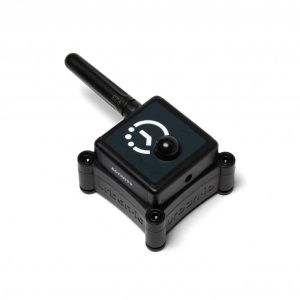 Urban.io Activity Sensor
Request a price
Urban.io Activity Sensor
Request a price
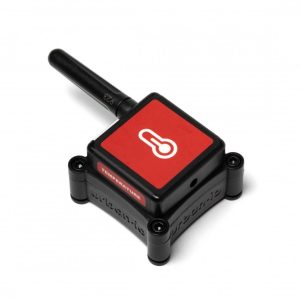 Urban.io Ambient Temperature Sensor
Request a price
Urban.io Ambient Temperature Sensor
Request a price
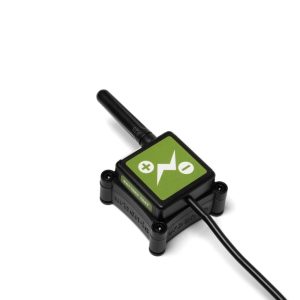 Urban.io Battery Test Sensor
Request a price
Urban.io Battery Test Sensor
Request a price
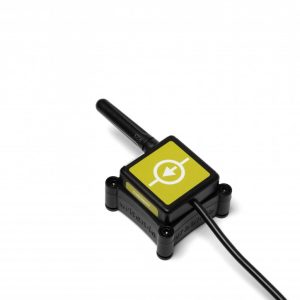 Urban.io Current Sensor
Request a price
Urban.io Current Sensor
Request a price
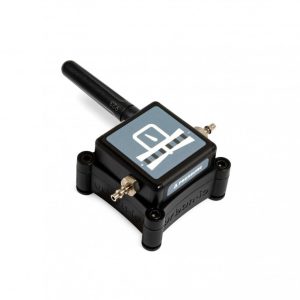 Urban.io Delta Pressure Sensor
Request a price
Urban.io Delta Pressure Sensor
Request a price
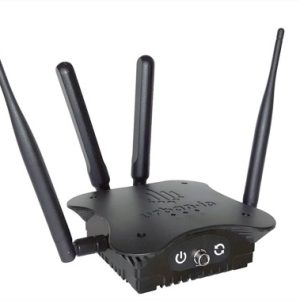 Urban.io Gateway
Request a price
Urban.io Gateway
Request a price
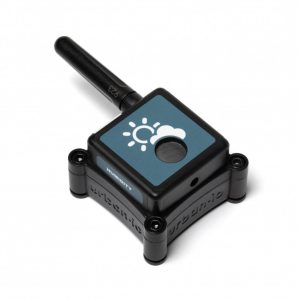 Urban.io Humidity Sensor
Request a price
Urban.io Humidity Sensor
Request a price
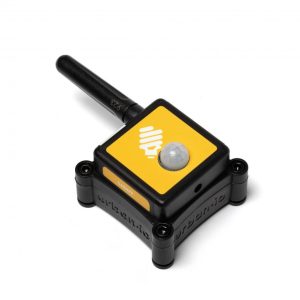 Urban.io Light Sensor
Request a price
Urban.io Light Sensor
Request a price
| Model | Key specification | Price ex VAT | Availability |
|---|---|---|---|
| Urban.io Activity Sensor | — | Price on request | Quote only |
| Urban.io Ambient Temperature Sensor | — | Price on request | Quote only |
| Urban.io Battery Test Sensor | — | Price on request | Quote only |
| Urban.io Current Sensor | — | Price on request | Quote only |
| Urban.io Delta Pressure Sensor | — | Price on request | Quote only |
| Urban.io Gateway | — | Price on request | Quote only |
| Urban.io Humidity Sensor | — | Price on request | Quote only |
| Urban.io Light Sensor | — | Price on request | Quote only |
Brands in this kit: Urban.io
Why Indiott
A specialist stack, not a box-shifter
Brand-agnostic by design
We pick the best of each brand for the layer and the environment, not one vendor catalogue. Milesight, AquaIoT, Atop, Browan, SpecSens and Urban.io, chosen on merit.
The whole stack, one supplier
Sensing, connectivity, OT security, control and the dashboard come from one accountable team, so there is no finger-pointing when something needs to talk to something else.
Specified and supported in Britain
UK-based engineers scope the site, quote the kit and stand behind it, with compliance mapped to the regimes your auditors actually cite.
Honest kit, honest pricing
Prices are shown where we can, quoted fast where we cannot, and you get a straight answer and a bill of materials within one working day.
 DEPLOYED IN THE FIELD
Compliance this answers to
| Standard | What it requires |
|---|---|
| Electricity at Work Regulations 1989 | condition monitoring supports the duty to maintain systems so as to prevent danger, so far as reasonably practicable |
| IEC 60076-7 | loading guide for oil-immersed transformers relates winding temperature to insulation ageing and gives a basis for thermal thresholds |
| ISO 55000 | temperature and load history supports fleet-level replacement prioritisation and lifecycle decisions |
What it costs, roughly
A substation with tank and radiator temperature plus two contact inputs is in the low hundreds of pounds per transformer, with a gateway covering several substations on the same site. A campus with eight distribution transformers is a strong cost-per-point case. Itemised quote back within one working day.
Transformer monitoring: asked before buying
Is this a replacement for a winding temperature indicator or Buchholz protection?
No, and it should not be sold as one. Protection and the WTI are safety instrumentation and stay exactly as they are. This adds trend and remote visibility on top, including the trip state of the protection you already have. If you need protection-grade instrumentation, that is a different specification and we will say so.
Can we fit it without an outage?
The temperature probes are external and go on the tank and radiator, so they need substation access but not an outage. Wiring the On/Off sensor to volt-free contacts on the relay is a panel job and should be planned with your authorised person like any other work in that panel.
Will a battery sensor survive in a substation environment?
The enclosure is IP67 and rated minus 40 to plus 85 degrees, so the environment is within its envelope. Battery life is around two years on a replaceable CR2477 cell, and the platform alarms on low battery, so a flat sensor is a scheduled visit rather than a silent gap in your data.
Related solutions
Next step
Scope it with an engineer.
Tell us the site, the assets and the constraint. You get a bill of materials and a straight answer within one working day.
- A bill of materials sized to your site
- Priced ex VAT, UK entity, no login wall
Rather talk it through? Call 023 9223 3611
Received. An engineer has it.
You will hear back within one working day with the parts, the prices and the lead time. A confirmation is on its way to your inbox.
If it is urgent, call 023 9223 3611.