REMOTE & SMART CITY / WASTE & FACILITIES
Bin Fill-Level Sensors for Waste Collection (UK)
Most collection rounds are driven by the calendar. The lorry stops at bins that are barely used and misses the ones that overflowed on Tuesday.
Talk through your round ● Answered within one working day
Live simulation of a monitored floor
Deployed for







The bin fill level sensor kit we deploy
Full catalogue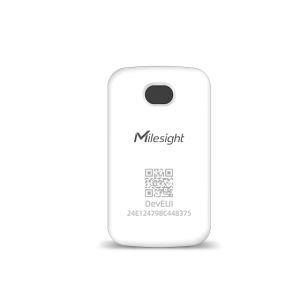 Milesight WS201 Smart Fill Level Monitoring Sensor
£38.90 ex VAT
Milesight WS201 Smart Fill Level Monitoring Sensor
£38.90 ex VAT
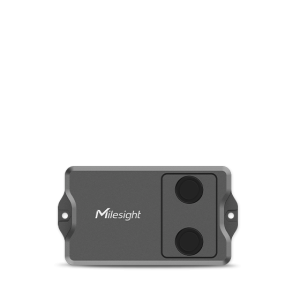 Milesight EM400-MUD Multifunctional Ultrasonic Distance/Level Sensor
£86.79 ex VAT
Milesight EM400-MUD Multifunctional Ultrasonic Distance/Level Sensor
£86.79 ex VAT
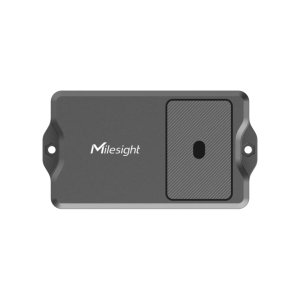 Milesight EM400-TLD ToF Laser Distance Sensor
£86.79 ex VAT
Milesight EM400-TLD ToF Laser Distance Sensor
£86.79 ex VAT
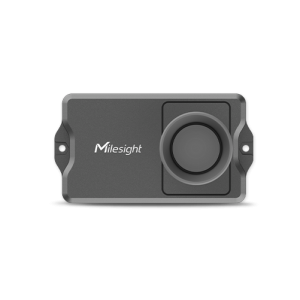 Milesight EM400-UDL Ultrasonic Distance/Level Sensor
£194.52 ex VAT
Milesight EM400-UDL Ultrasonic Distance/Level Sensor
£194.52 ex VAT
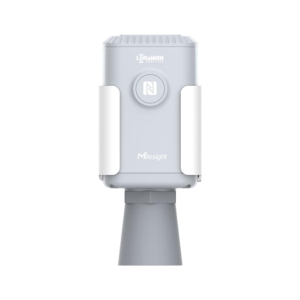 Milesight EM500-UDL Ultrasonic Distance/Level Sensor
£202.01 ex VAT
Milesight EM500-UDL Ultrasonic Distance/Level Sensor
£202.01 ex VAT
Brands in this kit: Milesight
The blind spot
The round is timetabled. The rubbish is not.
- 01
A bin that filled on Tuesday waits for Friday, and the overflow ends up beside it on the pavement.
- 02
A bin nobody used still gets a lorry, a crew and a lift, because the schedule says so.
- 03
Nobody can prove which locations actually justify their frequency, so the round never changes.
You pay for mileage, crew hours and lifts that the fill levels would have told you to skip, and you still field the complaints about the ones that overflowed.
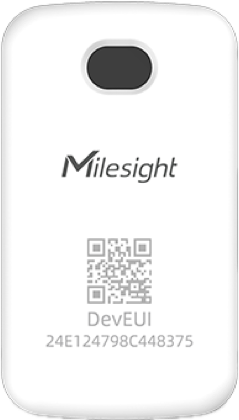
Bin 214 · High Street 86% full, flagged for the next round rather than the next scheduled visit.
Measured from the lid
A sensor in the lid, not a lorry on a guess
An ultrasonic or time-of-flight sensor measures the gap between the lid and the surface of the waste, and reports the fill percentage over LoRaWAN.
- Battery, no cablingIt fixes inside the lid of a bin, skip or silo, with no power run and nothing for a crew to connect.
- Fill percentage, not a guessRounds get planned against what is actually in the container, so lifts go where they are needed.
- Works past the binThe same distance sensors read silo, tank and stock levels, so one approach covers waste and inventory.
What your team sees
The round, before it runs
Which containers need a lift today, and what the fixed schedule was costing.
-
01
Over threshold
How many containers actually need emptying today.
-
02
Average fill
What the round collected on average, against what it could have.
-
03
Miles saved
Measured against the fixed schedule the round used to run.
Where it lands
One sensor, four jobs
-
01
Street and estate bins
Public containers that overflow between scheduled visits.
-
02
Commercial waste
Skips and trade bins where every lift is chargeable.
-
03
Silo and tank level
The same distance reading, pointed at a raw material.
-
04
Stock levels
Inventory depth without a manual count.
The difference
Bin fill level sensor: what changes the day it goes live
Rounds run to a fixed schedule, so the lorry empties half-full bins and reaches the overflowing ones days late.
- Collect on data, not on rota: routes are built from bins and skips that are actually full, so the lorry skips the ones that are not
- Fewer collection miles and less fuel burnt, which shows up directly in fleet emissions and Net Zero reporting
- Stores and labs that never silently run out: weight-sensing shelves flag a refill before the last unit goes, ending the manual stock count
- Cleaner, complaint-free sites because full bins are emptied before they overflow rather than after
- Bins over threshold
- 6 / 24–
- Avg fill
- 47%–
- Miles saved (mo)
- 318–
- Stock lines low
- 2–
What goes in the lid
One sensor per container, one gateway per area
The sensor looks down at the waste and reports a percentage. Nothing is mounted where a crew or a lifting mechanism can reach it.
- SENSE
Indiott's in-house Smart Bin measures fill level so a bin only enters a route when it is genuinely full, and the Smart Shelf weighs stock to auto-report levels and refill needs; for tanks, skips and silos, battery LoRaWAN ultrasonic level sensors read depth without contact
- CONNECT
Every device is battery LoRaWAN, so a bin in a car park or a silo on the far side of an estate reports through a single gateway with multi-year battery life and no cabling, mains or SIM per unit
- MANAGE
A live map and dashboard shows fill levels and stock weights across every site, raises refill and collection alerts at your thresholds, and exports the collection and stock history that feeds routing and reporting
Rounds planned on contents, not on the calendar.
- Battery LoRaWAN
- IP67
- Ultrasonic
- Time-of-flight
The full stack, applied here
Send the truck when the bin is full, not the calendar
Every Indiott build runs all five layers as one accountable system. Follow a single bin at 90% from the sensor that catches it to the report that proves it.
The in-house Smart Bin reads fill-level so a bin only joins a route when genuinely full, and ultrasonic level sensors read tanks and silos without contact.
Hands a fill reading to CONNECT ↓
Every device is battery LoRaWAN, so a bin in a car park or a silo across an estate reports through a single gateway with multi-year life and no cabling or SIM.
Hands a telemetry hop to SECURE ↓
The stack already includes it: where fleet or fill data backhauls over public cellular, a VPN router tunnels it encrypted so nothing crosses the network in the clear.
Hands a trusted feed to CONTROL ↓
Fill data can dispatch: a crossed threshold raises a collection trigger and adds only the full bins to the round, so the lorry skips the ones that are not.
Hands a collection order to MANAGE ↓
A live map shows fill levels and stock weights across every site, raises refill and collection alerts at your thresholds and exports the history that feeds routing.
The loop is closed ✓
How teams start
From a single pilot to the whole portfolio
You do not boil the ocean. Nearly every rollout runs the same four moves, and you own a working, evidenced result at the end of the first one.
Scope & risk map
We walk the sites, list the assets and pin the one constraint that matters, then agree what a good result looks like before a single sensor is bought.
Pilot on one site
A focused set of sensors goes onto one site or asset group, live on our telemetry and dashboards, wired to the people who need the alert.
Validate & standardise
We tune thresholds, kill false positives, confirm the integration into your SCADA, BMS or CAFM, and write the standard design down so it repeats.
Scale the portfolio
The proven design rolls out across the estate, reusing the same hardware standards and data models so every site reads the same way.
Compliance this answers to
| Standard | What it requires |
|---|---|
| Net Zero / fleet emissions | collect-on-data cuts unnecessary lorry journeys, so reduced mileage and fuel feed directly into carbon and Net Zero reporting |
| Duty of care (waste) | timestamped fill and collection history supports waste-transfer and duty-of-care record-keeping where you need to evidence how and when waste was handled |
| Operational efficiency | there is no single named regulation here, the case is fewer wasted miles, cleaner sites and stock that never hits zero, measured in pounds and complaints avoided |
What it costs, roughly
A starter deployment of a dozen Smart Bins or ultrasonic level sensors, one LoRaWAN gateway and a year of dashboard and alerting typically lands in the low-to-mid thousands of pounds, with the per-bin sensor cost modest and the gateway shared across the whole site. Smart Shelf weight-sensing for a stockroom is priced per shelf or bay; large tank and silo estates scale linearly on sensors against a single gateway. Exact figures come back, itemised per device and site, within one working day.
The short answer
What does a bin fill-level sensor cost?
A Milesight WS201 fill-level sensor is £38.90 ex VAT. It fits inside the lid, reports fill percentage over LoRaWAN and runs years on its battery, so a round is built from bins that are actually full. For deeper containers, a ToF laser sensor is £86.79.
Frequently asked questions
Which sensor measures how full a bin is?
An ultrasonic distance sensor mounted in the lid measures the gap down to the waste below and converts it to a fill percentage. The Milesight EM400-MUD (£86.79 ex VAT) is the standard choice for wheelie bins, litter bins, skips and outdoor containers, and adds tilt and temperature readings.
How is the data sent back without cabling or SIM cards?
Every sensor is battery LoRaWAN on EU868, so it reports through one shared gateway rather than needing its own connection. A semi-industrial UG65 gateway (£279.82 ex VAT) covers a depot or campus, the outdoor IP67-rated UG67 (£658.39) covers a wider town centre, and the UG63 mini gateway (£98.76) suits a single building.
How long does the battery last in a bin sensor?
Milesight EM series sensors run on replaceable lithium cells rated for up to 10 years, driven mainly by how often the sensor reports. Hourly reporting on a wheelie bin comfortably exceeds five years, while reporting every few minutes or sustained sub-zero weather shortens it. The cells are user-replaceable, so a flat battery does not mean replacing the sensor.
Will a bin sensor survive tipping and British weather?
Yes, if you specify for it. The EM400 series is IP67 rated for outdoor use and fits inside the lid, away from the crush zone during a lift. The EM400-MUD also reports tilt, which flags a bin that has been knocked over or is mid-lift, and temperature, which can flag a smouldering bin early.
How does fill data reach our route planner or CAFM system?
The gateway forwards readings north over MQTT or HTTP, so fill levels land in your existing route planner, CAFM or waste management system rather than yet another portal. Where a crossed threshold needs to trigger something on site, a Milesight UC300 controller (£104.74 ex VAT) exposes Modbus and dry contacts for gates, compactors and level alarms.
Can the same approach track stock instead of waste?
Yes. Smart inventory runs on the same LoRaWAN backbone, using weight-sensing shelves or a distance sensor above a bin of consumables so a line raises a refill alert before it reaches zero. The EM400-TLD time-of-flight laser sensor (£86.79 ex VAT) suits narrow stacks and tote bins where an ultrasonic cone would be too wide.
Buying this in the UK
- Bin fill-level sensors from £38.90 ex VAT. No UK supplier publishes a price for this category.
- Supplied by Indiott, a trading name of PSI Technologies Limited (Companies House 03689664, VAT GB 730 2340 83), Hampshire, United Kingdom.
- Every price is published ex VAT at indiott.com — no quote needed to see it.
- Typically dispatched within 14 working days from the UK, on a VAT invoice.
- Call 023 9223 3611 or request a quote.
Related solutions
Compare the models
Buying guides
Next step
Scope it against your round
Tell us the containers, the locations and the current frequency. You get a sensor count, a bill of materials and a straight answer within one working day.
- Sensor choice matched to container depth and contents
- Gateway coverage checked across the round before anything is quoted
- Priced ex VAT, UK entity, no login wall
- Same sensors cover silo and stock levels, not just waste
Rather talk it through? Call 023 9223 3611
Received. An engineer has it.
You will hear back within one working day with the parts, the prices and the lead time. A confirmation is on its way to your inbox.
If it is urgent, call 023 9223 3611.