


















BUILT IN-HOUSE / SMART INVENTORY
Smart Shelf Stock Sensors
The shelves count the stock so nobody has to
The short answer
How does a smart shelf track stock levels automatically?
A smart shelf weighs each bay with load cells and converts that weight into a live unit count, then reports it wirelessly. When a line crosses its par level the system raises a reorder alert, so stock is counted continuously without scanning and without a periodic stock-take.
Stores and labs run out of things the moment after someone notices they are low, because the count is a manual chore nobody enjoys and reordering waits for a walk-round. We built the Smart Shelf for a client who needed stock levels to report themselves, with no scanning, no app to remember and no monthly stock-take.
Talk through your site ● Answered within one working day
The difference
Smart shelf inventory monitoring: what changes the day it goes live
Stores and labs run out of things the moment after someone notices they are low, because the count is a manual chore nobody enjoys and reordering waits for a walk-round. We built the Smart Shelf for a client who needed stock levels to report themselves, with no scanning, no app to remember and no monthly stock-take.
- Live stock levels by shelf and bay from load-cell weighing, with no scanning or manual count
- Automatic refill alerts the moment a line crosses its par level, before the last unit goes
- An end to the periodic stock-take: the shelf is the record, always current
- Usage history that exposes what really moves, so you stock to demand rather than habit
What you get
- 01
Live stock levels by shelf and bay from load-cell weighing, with no scanning or manual count
- 02
Automatic refill alerts the moment a line crosses its par level, before the last unit goes
- 03
An end to the periodic stock-take: the shelf is the record, always current
- 04
Usage history that exposes what really moves, so you stock to demand rather than habit
The full stack, applied here
The shelf weighs its stock and raises a reorder
Every Indiott build runs all five layers as one accountable system. The example below follows one event from the sensor that catches it to the report that records it.
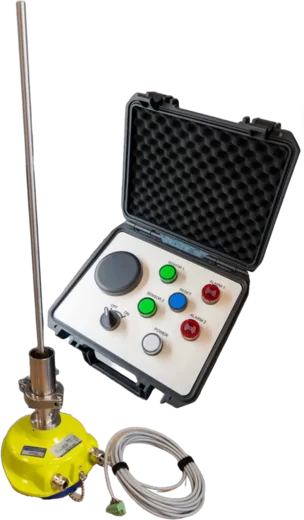
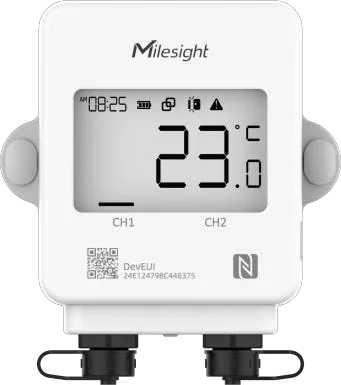
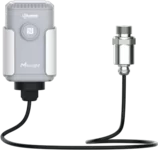
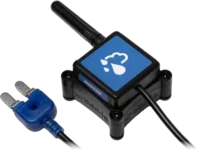
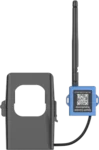
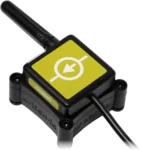
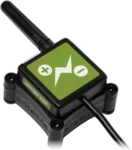
Indiott-built load cells weigh every bay continuously and convert weight into a live count per line, calibrated so the dashboard reads in units rather than grams.
Hands a live count to CONNECT ↓
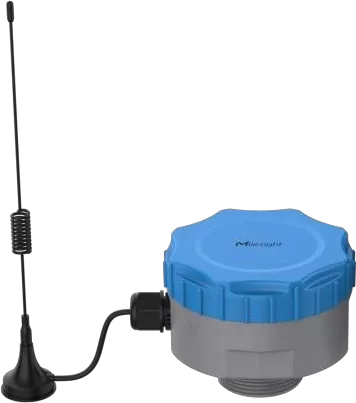
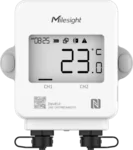
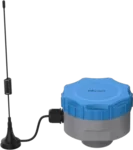
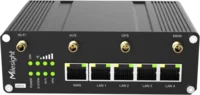
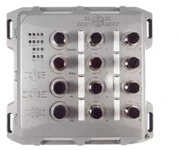
Embedded LoRaWAN covers a stockroom or a whole building from one gateway, so a shelf reports its level with no per-shelf cabling and years of battery.
Hands a signed count to SECURE ↓
Device authentication and an encrypted uplink keep stock and usage data trustworthy wherever the shelves sit on a customer network.
Hands a trusted feed to CONTROL ↓
Crossing a par level raises the reorder itself, so replenishment starts from the shelf rather than from somebody noticing on a walk-round.
Hands a reorder and record to MANAGE ↓
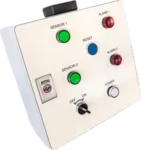
A dashboard of stock by shelf and bay with par-level alerts and usage trends, exported to procurement or pushed into your ERP over an API.
The loop is closed ✓
How teams start
From a single pilot to the whole portfolio
You do not boil the ocean. Nearly every rollout runs the same four moves, and you own a working, evidenced result at the end of the first one.
Scope & risk map
We walk the sites, list the assets and pin the one constraint that matters, then agree what a good result looks like before a single sensor is bought.
Pilot on one site
A focused set of sensors goes onto one site or asset group, live on our telemetry and dashboards, wired to the people who need the alert.
Validate & standardise
We tune thresholds, kill false positives, confirm the integration into your SCADA, BMS or CAFM, and write the standard design down so it repeats.
Scale the portfolio
The proven design rolls out across the estate, reusing the same hardware standards and data models so every site reads the same way.
Why Indiott
We pick each part on merit and support the whole system
Brand-agnostic by design
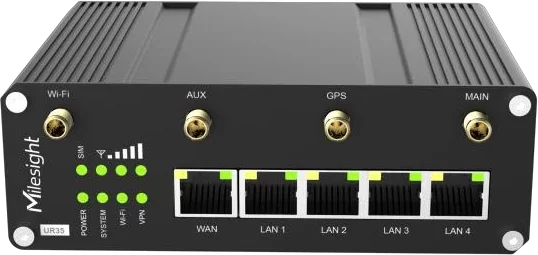
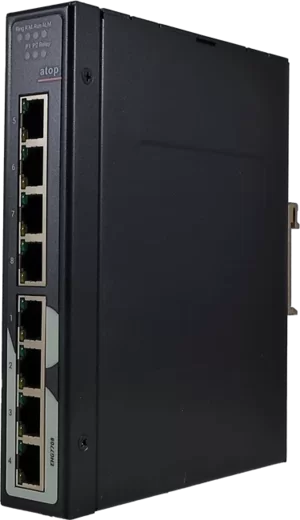
We pick the best of each brand for the layer and the environment, not one vendor catalogue. Milesight, AquaIoT, Atop, Browan, SpecSens and Urban.io, chosen on merit.
The whole stack, one supplier
Sensing, connectivity, OT security, control and the dashboard come from one accountable team, so there is no finger-pointing when something needs to talk to something else.
Specified and supported in Britain
UK-based engineers scope the site, quote the kit and stand behind it, with compliance mapped to the regimes your auditors actually cite.
Honest kit, honest pricing
Prices are shown where we can, quoted fast where we cannot, and you get a straight answer and a bill of materials within one working day.
 IND-SHELF · BUILT IN-HOUSE
Compliance this answers to
| Standard | What it requires |
|---|---|
| Operational assurance | a continuous, timestamped stock record removes the manual count and the disputes that come with it |
| Built with our partner PSI Technologies for Terracode | |
What it costs, roughly
Smart Shelf is built to your shelving and the lines you need to track, so it is specified and quoted against that layout rather than sold from a price list. Send us the storage and the lines and a costed specification comes back within one working day.
Frequently asked questions
How does a load-cell smart shelf count stock without scanning?
Each bay sits on strain-gauge load cells that measure the total weight resting on the shelf. Dividing that weight by the known unit weight of the line gives a live count, so pickers take stock normally and nothing is scanned. The reading updates continuously, which makes the shelf itself the stock record rather than a periodic manual count.
How accurate is weight-based counting, and what will it not count?
Weight-based counting is reliable where units are consistent, typically to within one unit on fasteners, consumables, reagents and packaged goods. It struggles where individual weights vary widely, such as mixed loose items or part-used containers. For those lines we flag the bay for a refill rather than claim a false exact count, and where a different kind of measurement suits the line better we say so and scope it separately.
How do the shelves report, and how much does one gateway cover?
Shelves report over LoRaWAN on the EU868 band, which passes through racking and stockroom walls with no per-shelf cabling and years of battery life. One gateway typically covers a stockroom or a whole building, and we size the gateway to the site and its structure rather than to a rule of thumb.
Can the shelf show what is actually moving, not just what is left?
Yes. Because the weight is sampled continuously, the dashboard holds a usage history per line as well as a current count, so you can see what genuinely turns over and stock to demand rather than to habit. That history is the part a periodic stock-take can never give you.
Can the stock data go into our ERP or stock system?
Yes. Readings forward north over MQTT or HTTP, so counts and usage history land in your ERP, WMS or procurement system rather than a separate portal. Where the shelves have to sit on a customer OT network we scope that integration as part of the build.
How do we pilot this, and what is the lead time on the hardware?
Most rollouts start with one bay group on one site: a set of instrumented shelves, the connectivity and the dashboard, wired to whoever raises the purchase orders. We tune par levels and alert routing before standardising the design, and you get a costed bill of materials within one working day.
Buying this in the UK
- Supplied by Indiott, a trading name of PSI Technologies Limited (Companies House 03689664, VAT GB 730 2340 83), Hampshire, United Kingdom.
- Prices on indiott.com are shown ex VAT. Items without a price are quoted per project.
- Typically dispatched within 14 working days from the UK, on a VAT invoice.
- Call 023 9223 3611 or request a quote.
Related solutions
Next step
Scope it with an engineer.
Tell us the site, the assets and the constraint. You get a bill of materials and a straight answer within one working day.
- A bill of materials sized to your site
- Priced ex VAT, UK entity, no login wall
Rather talk it through? Call 023 9223 3611
Received. An engineer has it.
You will hear back within one working day with the parts, the prices and the lead time. A confirmation is on its way to your inbox.
If it is urgent, call 023 9223 3611.