SPACES & SAFETY / WORKPLACE AIR & COSHH
Workplace Air Quality Monitoring (UK)
COSHH and EH40 set hard limits on what your people breathe. Badge sampling tells you whether you broke one, weeks after the shift that did it.
Talk through your site ● Answered within one working day
Live simulation of a monitored floor
Deployed for







The workplace air quality monitoring kit we deploy
Full catalogue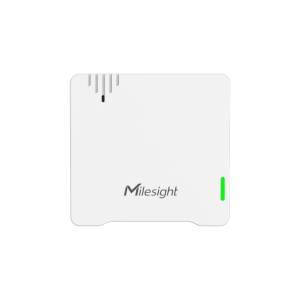 Milesight WS302 Sound Level Sensor
£41.90 ex VAT
Milesight WS302 Sound Level Sensor
£41.90 ex VAT
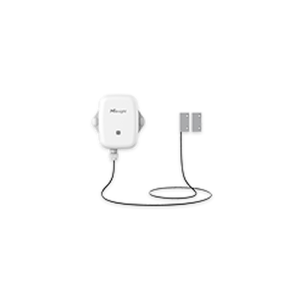 Milesight EM300-MCS Magnetic Contact Switch Sensor
£52.37 ex VAT
Milesight EM300-MCS Magnetic Contact Switch Sensor
£52.37 ex VAT
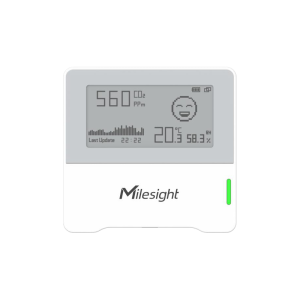 Milesight AM103 / AM103L Indoor Ambience Monitoring Sensor
£127.19 ex VAT
Milesight AM103 / AM103L Indoor Ambience Monitoring Sensor
£127.19 ex VAT
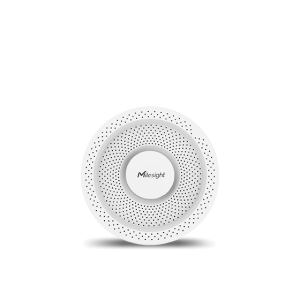 Milesight Vape Detector
£164.60 ex VAT
Milesight Vape Detector
£164.60 ex VAT
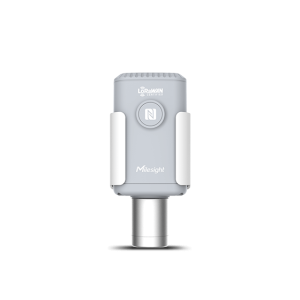 Milesight EM500-CO2 CO2 Sensor (4 in 1)
£179.56 ex VAT
Milesight EM500-CO2 CO2 Sensor (4 in 1)
£179.56 ex VAT
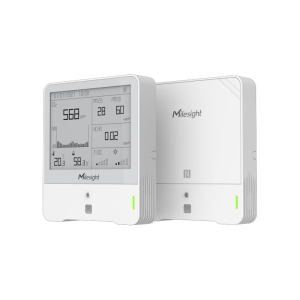 Milesight AM307 / AM308 / AM319 Indoor Ambience Monitoring Sensor
£224.45 ex VAT
Milesight AM307 / AM308 / AM319 Indoor Ambience Monitoring Sensor
£224.45 ex VAT
Brands in this kit: Milesight
The blind spot
A lab report tells you what happened. It cannot tell you when.
- 01
Badge sampling catches a few hours a year, and the hours it misses are the ones that matter.
- 02
By the time the result lands, the over-exposure is weeks old and the shift that caused it is unidentifiable.
- 03
A COSHH assessment in a folder is a paper guess until something on the floor is actually measuring.
You are accountable to the HSE for exposure you cannot see, and an inspector asking for the measured history is the worst moment to discover you do not hold one.

 Indiott Dust Monitor · alarm panel
Cutting bay respirable dust over the WEL for 22 minutes. Extraction switched on, work paused.
Built in-house for a live duty
An alarm on the floor, not a report in the post
Our own Dust Monitor reads respirable and particulate dust in real time and warns on a local panel, so the control happens during the shift rather than after it.
- Benchmarked to EH40Readings are logged against the published workplace exposure limits, including respirable crystalline silica.
- Per area and per shiftA time-stamped exposure record that turns a COSHH assessment from a paper guess into measured evidence.
- No cameras, no microphonesVape and gas events in washrooms and plant rooms are flagged discreetly, on gas readings alone.
What your team sees
Exposure while the shift runs
The reading the limit is written against, on the floor rather than in a lab.
-
01
Respirable dust, live
The figure EH40 is written against, measured where the work happens.
-
02
The moment it breaches
Flagged as it happens, so extraction goes on during the shift.
-
03
Particulate and CO2
PM2.5 and CO2 beside the dust, per area.
-
04
Solvents and vapour
TVOC for the substances your assessment already names.
Where it lands
Four duties one sensor set covers
-
01
Cutting and grinding
Respirable crystalline silica at the task, not at the door.
-
02
Welding fume
Particulate where the fume actually is, with extraction proven to work.
-
03
Solvents
TVOC trends per bay, so a rising vapour load is caught early.
-
04
Washrooms
Vape and gas events flagged on readings alone, with no camera.
The difference
Workplace air quality monitoring: what changes the day it goes live
Exposure is sampled occasionally, posted to a lab, and read weeks later, so nobody can say which shift, task or hour caused it.
- Continuous particulate and air-quality readings on the floor, with an on-site alarm that warns as levels climb rather than weeks after the event
- A time-stamped trend per area and shift that turns a COSHH assessment from a paper guess into something you can point a hygienist at
- Automatic alerts to a supervisor phone when PM2.5, PM10, TVOC, CO2 or gas climbs, so extraction gets switched on or work paused in minutes
- Vape and gas detection in school toilets and plant rooms that flags an event discreetly, without cameras or microphones
- Respirable dust
- 0.18 mg/m3–
- PM2.5
- 31 ug/m3–
- CO2
- 640 ppm–
- TVOC
- 0.4 ppm–
What gets mounted, and where
At the task, not at the door
Dust at the cutting bay, gas and vape in the washroom, ambient on the wall. LoRaWAN reaches the wet, dusty and vibrating spots that never get a data cable.
- SENSE
Indiott's own in-house Dust Monitor reads particulate levels in real time with a local alarm panel built for a live dust duty; battery LoRaWAN air-quality sensors add PM2.5/PM10, TVOC, CO2, temperature and humidity, and gas and vape detection units cover the rest
- CONNECT
Each sensor reports over LoRaWAN, so a dusty workshop, a quarry weighbridge or a school washroom is covered without running mains power or data cable to awkward, wet or vibrating locations
- MANAGE
A dashboard logs every reading against EH40 workplace exposure limits, draws the trend per area and shift, and fires threshold and rate-of-change alerts to phones, email or the site alarm, with exportable records for the HSE
Benchmarked to EH40. The exposure record exists before an inspector asks.
- COSHH 2002
- EH40 WELs
- CDM 2015
- HSE
What this monitors, and what it is not
What this covers
Ambient indoor air quality — particulate (PM2.5 and PM10), CO2, TVOC, temperature and humidity — for ventilation performance, comfort and trend alarms across a workplace.
What it does not
A COSHH assessment or a workplace exposure limit measurement. Our air quality sensors are laser-scattering ambient instruments; their specifications reference no respirable dust fraction, no COSHH methodology and no workplace exposure limits, and they are not gravimetrically equivalent. A reading from one will not stand up as the measurement in a dust exposure report.
For a COSHH assessment you need an occupational hygienist and instrument-grade sampling. Use these sensors alongside that to catch an extraction failure at 3am — not instead of it.
The full stack, applied here
One dust spike, from the saw to the HSE record
Every Indiott build runs all five layers as one accountable system. Follow a single dust over wel from the sensor that catches it to the report that proves it.
The in-house Dust Monitor reads particulate levels live for a site dust duty, and LoRaWAN air-quality units add CO2, PM2.5, PM10 and TVOC per area.
Hands a live reading to CONNECT ↓
Each sensor reports over battery LoRaWAN, so a dusty workshop, a quarry weighbridge or a school washroom is covered with no mains or data cable to awkward, wet spots.
Hands a benchmarked value to SECURE ↓
The stack already includes network isolation: a VPN router keeps exposure data and the site alarm on a segregated, tamper-evident link off the corporate LAN.
Hands a trusted stream to CONTROL ↓
Remote IO turns a reading into action: a breach over the EH40 limit can boost extraction, sound a horn or pause work on the floor in seconds, not after the lab report.
Hands an action and log to MANAGE ↓
Every reading logged against EH40 workplace exposure limits, trend per area and shift, threshold alerts to phones, and exportable HSG274-aligned records for the HSE.
The loop is closed ✓
How teams start
From a single pilot to the whole portfolio
You do not boil the ocean. Nearly every rollout runs the same four moves, and you own a working, evidenced result at the end of the first one.
Scope & risk map
We walk the sites, list the assets and pin the one constraint that matters, then agree what a good result looks like before a single sensor is bought.
Pilot on one site
A focused set of sensors goes onto one site or asset group, live on our telemetry and dashboards, wired to the people who need the alert.
Validate & standardise
We tune thresholds, kill false positives, confirm the integration into your SCADA, BMS or CAFM, and write the standard design down so it repeats.
Scale the portfolio
The proven design rolls out across the estate, reusing the same hardware standards and data models so every site reads the same way.
Compliance this answers to
| Standard | What it requires |
|---|---|
| COSHH Regulations 2002 | continuous monitoring evidences that you assess, prevent or adequately control exposure to hazardous substances, and review that control as required |
| EH40 Workplace Exposure Limits | you set the alarm thresholds with the published WELs in mind, so the system warns as levels climb. These are ambient sensors, not gravimetric instruments, so the output is trend and alarm data rather than a WEL measurement. |
| HSE | live data and exportable logs show that dust and air quality are watched continuously, alongside the personal sampling your assessment rests on rather than instead of it |
| CDM 2015 | on a construction project the dust record supports the principal contractor's duty to control health risks, not just safety risks |
What it costs, roughly
A starter deployment, one Indiott Dust Monitor with alarm panel plus three AM-series air-quality sensors and a LoRaWAN gateway, sits around the low single-digit thousands of pounds depending on the dust panel specification, with additional air or vape sensors at a few hundred pounds each as you spread across more rooms or sites. A single bespoke Dust Monitor with a custom alarm configuration is quoted on its own. Exact figures come back, matched to your areas and exposure risks, within one working day.
The short answer
Can a wireless dust sensor prove COSHH compliance?
No. COSHH exposure assessment requires gravimetric sampling on the worker, to a rated respirable fraction. Our sensors are optical and fixed-position: they show a trend and raise an alarm when levels climb, from £41.90 ex VAT. Use them for early warning and ventilation control, not as compliance evidence.
Frequently asked questions
What airborne hazards can these sensors measure?
The AM307/AM308 ambience monitor (£224.45 ex VAT) reads particulate matter as PM2.5 and PM10, total volatile organic compounds, CO2, temperature and humidity in one unit, with the AM308L variant (£239.41) extending the range. For CO2 alone the EM500-CO2 (£179.56) covers plant and enclosed spaces. These cover the common indoor exposure and ventilation indicators.
How does this relate to COSHH and HSE limits?
COSHH 2002 requires employers to assess and control exposure to hazardous substances. HSE guidance EH40 sets workplace exposure limits for many substances. Continuous sensing gives you a measured, time-stamped record against those limits and an immediate alert when a level trends toward a threshold, supporting the assessment and control the regulations require.
Can I monitor noise as well as air?
Yes. The WS302 sound level sensor (£41.90 ex VAT) reports ambient noise continuously, which supports the Control of Noise at Work Regulations 2005 by flagging areas that trend toward action values. It is an area monitor for identifying hotspots and trends, complementing, not replacing, personal dosimetry where individual exposure must be measured.
How quickly is an exposure alert raised?
Sensors report on a configurable interval, typically minutes, and carry thresholds per parameter. When particulate or gas crosses a warning level the reading is flagged and the platform sends an alert by email, SMS or webhook. Staff can ventilate, stop a task or don RPE before exposure builds rather than discovering it after the fact.
Do the sensors need wiring or mains power?
The ambience monitors are typically mains or USB powered for continuous high-rate sensing, while smaller sensors are battery powered. All communicate over LoRaWAN, so there is no data cabling back to a panel and one gateway covers a large facility. A UG65 gateway is £279.82 ex VAT.
Where should I place the monitors?
Place them in the breathing zone of the work area and near the source of dust, fume or solvent, plus a background location for comparison. Continuous fixed monitoring shows which processes and times drive exposure, which then targets extraction, RPE and task changes far better than a single handheld reading taken on one day.
Can these sensors be used for a COSHH assessment?
No. They are ambient indoor air quality sensors measuring PM2.5 and PM10 by laser scattering, alongside CO2, TVOC, temperature and humidity. Their specifications reference no respirable dust fraction, no COSHH methodology and no workplace exposure limits, and they are not gravimetrically equivalent, so a reading will not stand up as the measurement in a dust exposure report. Use them for continuous trend and alarm data alongside an occupational hygienist, not instead of one.
Related
Buying this in the UK
- Fixed-position air quality sensors from £41.90 ex VAT. Not a substitute for gravimetric COSHH exposure sampling.
- Supplied by Indiott, a trading name of PSI Technologies Limited (Companies House 03689664, VAT GB 730 2340 83), Hampshire, United Kingdom.
- Every price is published ex VAT at indiott.com — no quote needed to see it.
- Typically dispatched within 14 working days from the UK, on a VAT invoice.
- Call 023 9223 3611 or request a quote.
Related solutions
Compare the models
Next step
Scope it against your COSHH assessment
Tell us the substances, the tasks and the areas. You get sensor positions, a bill of materials and a straight answer within one working day.
- Sensor choice matched to the substances your assessment already names
- Alarm thresholds set against the EH40 limit, not a generic default
- Priced ex VAT, UK entity, no login wall
- Dust Monitor built in-house, so the alarm panel is specified to your duty
Rather talk it through? Call 023 9223 3611
Received. An engineer has it.
You will hear back within one working day with the parts, the prices and the lead time. A confirmation is on its way to your inbox.
If it is urgent, call 023 9223 3611.