BUYING GUIDE · UK STOCK
Energy Monitoring Sensors for Commercial Buildings
The utility bill tells you what the whole building spent last month. Clamp-on sensors tell you which circuit spent it, live — and what runs all night when nobody's in.
Find the kilowatts you're wasting
Energy monitoring sensors close the gap between the bill and the building. A monthly kWh total hides everything actionable: the AHU that never drops to setback, the compressor short-cycling at 3 a.m., the floor that heats all weekend. Circuit-level data finds each of those in the first week.
The hardware is deliberately non-invasive — current transformers clamp around existing conductors without breaking a single connection, and metering sockets sit between plug and wall. No shutdown, no rewiring, and readings start the same afternoon. For reporting under SECR or a net-zero plan (see the official guidance), energy monitoring sensors provide the granular evidence a spreadsheet of bills never can.
The energy monitoring sensors to start with
Clamp CTs for distribution boards and fixed plant, metering sockets for plug loads, and a Modbus controller to pull in the meters you already own. All report over LoRaWAN to one dashboard.
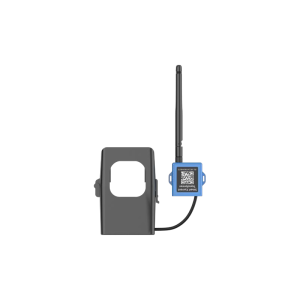 Single circuits to 100 AMilesight CT101 / CT103 / CT105 Smart Current Transformer
Split-core CT clamps over one conductor and self-powers from the current it measures — fit and forget.
From £62.85 ex VATView →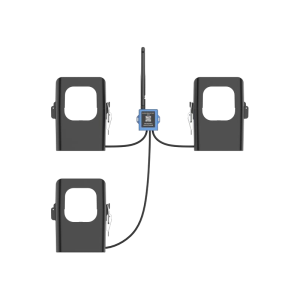 Plant & subs to 300 A+Milesight CT303 / CT305 / CT310 Smart Current Transformer
The heavier CT family for mains incomers, distribution boards and serious plant.
From £101.75 ex VATView →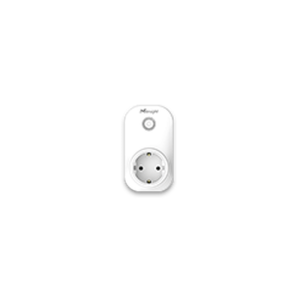 Plug loads, portableMilesight WS523 Smart Portable Socket
Metering socket that follows the asset — measure any plugged appliance for a week, then move on.
£62.85 ex VATView →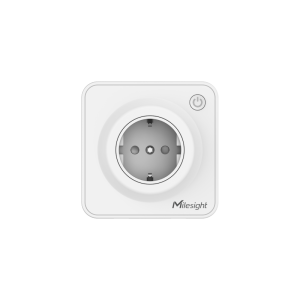 Fixed socket meteringMilesight WS513 Smart Wall Socket
Wall-socket version for permanent monitoring (and remote switching) of fixed plug loads.
£62.85 ex VATView →Switch + measureMilesight WS513 Smart Wall SocketSmart wall socket with metering and control — kill the load remotely when it should not be running.
£62.85 ex VATView →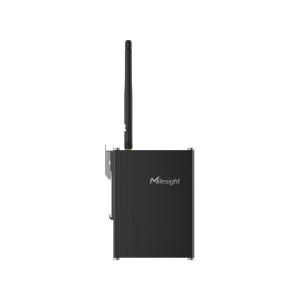 Existing meters, ModbusMilesight UC300 IoT Controller
IoT controller that reads your existing Modbus/pulse meters and puts them on the same dashboard.
From £104.74 ex VATView →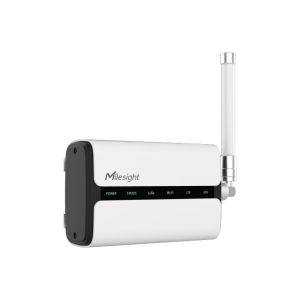 Site gatewayMilesight UG65 Semi-industrial LoRaWAN Gateway
Semi-industrial LoRaWAN gateway to carry every CT and socket in the building.
From £279.82 ex VATView →Compare monitoring points
| Product | Best for | Connectivity | Price (ex VAT) |
|---|---|---|---|
| Milesight CT101 / CT103 / CT105 Smart Current Transformer | Circuits up to ~100 A | LoRaWAN® | From £62.85 |
| Milesight CT303 / CT305 / CT310 Smart Current Transformer | Mains & plant, 300 A+ | LoRaWAN® | From £101.75 |
| Milesight WS523 Smart Portable Socket | Roaming plug audits | LoRaWAN® | £62.85 |
| Milesight WS513 Smart Wall Socket | Fixed plug loads | LoRaWAN® | £62.85 |
| Milesight WS513 Smart Wall Socket | Metered + switched loads | LoRaWAN® | £62.85 |
| Milesight UC300 IoT Controller | Modbus meter bridging | LoRaWAN® / cellular options | From £104.74 |
| Milesight UG65 Semi-industrial LoRaWAN Gateway | Building gateway | LoRaWAN® gateway | From £279.82 |
Where to clamp first
Start at the distribution board with one CT per outgoing way you suspect: HVAC, kitchen, server room, lighting. A week of data ranks them by waste — look for the flat overnight line that should be near zero and is not. Base-load hunting is where energy monitoring sensors pay back fastest; most commercial buildings find 15–30 % of consumption happening outside occupied hours.
CT clamps fit around a single conductor (line, not the whole cable), and while split-core fitting is tool-free, working inside a live board is a job for a competent person — budget an electrician’s hour for the board work, then everything else is plug-and-play. The Carbon Trust publishes solid sector benchmarks to compare your numbers against once data flows.
- Overnight base load is the first and fattest target in most buildings
- Self-powered CTs harvest energy from the measured line — no batteries to change
- Metering sockets audit suspect appliances one week at a time
- Modbus bridging brings existing fiscal meters into the same view
- Half-hourly granularity aligns with UK settlement and tariff analysis
- Evidence-grade data for SECR, ESOS actions and net-zero reporting
From clamps to a dashboard
Everything reports to one UG65 gateway — CTs in risers and plant rooms reach it through several floors of concrete. Dashboards show live power, cumulative kWh and cost overlays; alerts flag when anything draws outside its schedule.
The natural companions ride the same network: heating controls to act on what the CTs reveal, and air quality sensors to prove comfort survived the savings. See the energy metering solution for the full architecture.
Why buy from Indiott
We are engineers first and a shop second. Buy online in GBP from UK stock, or call us on 023 9223 3611 and we will sanity-check your device list before you spend a penny — the right frequency band (EU868), the right probe, the right gateway for the building.
Frequently asked questions
Do CT clamps need an electrician to fit?
The clamp itself is tool-free split-core, but it must go around a single insulated conductor inside the board — and board work should be done by a competent person. Practically: one electrician hour installs a whole board’s worth, with no circuit interruption and no downtime.
How do self-powered CTs work?
They harvest operating power from the magnetic field of the conductor they measure, so there are no batteries to change and nothing to wire. Below a minimum load they buffer and report less frequently — fine for the analytics they exist to feed.
Can I monitor three-phase supplies?
Yes — fit one CT per phase and the dashboard aggregates them. The CT303/305/310 family covers the current ranges of typical three-phase commercial supplies; tell us the incomer rating and we will spec the right set.
What savings should we expect?
The sensors do not save energy — they find where it is being wasted, relentlessly. Typical first finds: overnight base load at 15–30 % of consumption, heating and cooling fighting each other, and plant running to a schedule nobody remembers setting. Most clients recover the hardware cost within the first quarter’s corrections.
Audit one board, then believe it
Tell us your board layout and incomer ratings and we will spec energy monitoring sensors for a first audit with volume pricing for the estate — quote within one working day.
Next step
Scope it with an engineer.
Tell us the site, the assets and the constraint. You get a bill of materials and a straight answer within one working day.
- A bill of materials sized to your site
- Priced ex VAT, UK entity, no login wall
Rather talk it through? Call 023 9223 3611
Received. An engineer has it.
You will hear back within one working day with the parts, the prices and the lead time. A confirmation is on its way to your inbox.
If it is urgent, call 023 9223 3611.
More buying guides