Energy
Industrial IoT for Oil and Gas
LoRaWAN sensors, gateways and dashboards for Oil & gas — specified, stocked and supported by UK engineers.
Industrial IoT for Oil and Gas replaces manual rounds, spreadsheets and blind spots with live LoRaWAN telemetry: low-power sensors, resilient gateways and dashboards that flag a problem the hour it happens, not the week after. Indiott specifies, stocks and supports the full stack and ships across the UK from local warehouses.
The UK oil and gas industry, centred on the North Sea, still supports around 180,000 jobs and supplied roughly a third of the UK's energy in 2024. Ageing offshore and onshore infrastructure, strict major-accident rules and the shift towards lower-carbon operations all raise the value of continuous monitoring. Because many sites handle flammable and toxic substances, sensing has to be robust, and the cyber security of the operational technology behind it is under close scrutiny.
Industrial IoT for Oil and Gas: sensors, gateways and dashboards
Built for Terminal and processing plant operators, HSE and process safety managers, Integrity and maintenance engineers, OT and industrial control security teams and Midstream and storage site managers. Every asset that fails quietly — a pump, a chiller, a cold store, a plant room — is a candidate for a battery LoRaWAN sensor reporting to one dashboard. Typical Industrial IoT for Oil and Gas deployments include:
- Gas leak, temperature and pressure monitoring around processing and storage plant
- Bund, tank and vessel level monitoring to prevent overfill and spills
- Corrosion and integrity condition monitoring on pipework and structures
- Remote well site and metering station monitoring across dispersed assets
- Environmental and emissions sensing to support permit and reporting duties
- Segmented sensing kept separate from safety instrumented control systems
LoRaWAN sensors and gateways for Oil & gas
The Industrial IoT for Oil and Gas hardware below is UK-stocked and dispatched nationwide. Every device joins the same five-layer stack, so you can start with one gateway and a handful of sensors and scale without re-platforming.
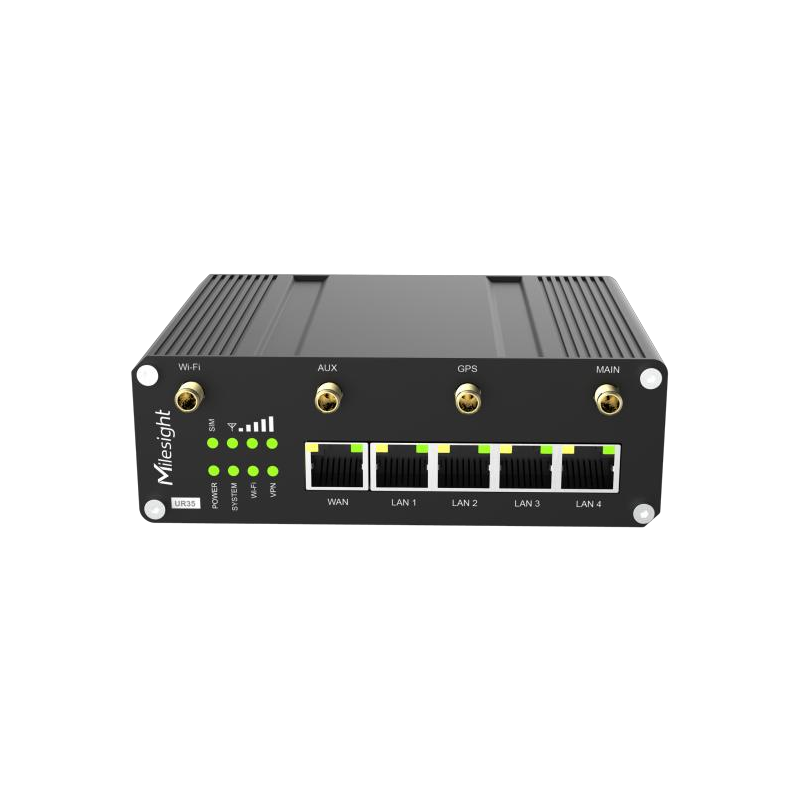 UR35Industrial cellular routerDual-SIM 4G/5G router for resilient connectivity at remote and mobile sites.
 UG67Outdoor LoRaWAN gatewayIP67 outdoor gateway for site-wide coverage across yards, plants and campuses.
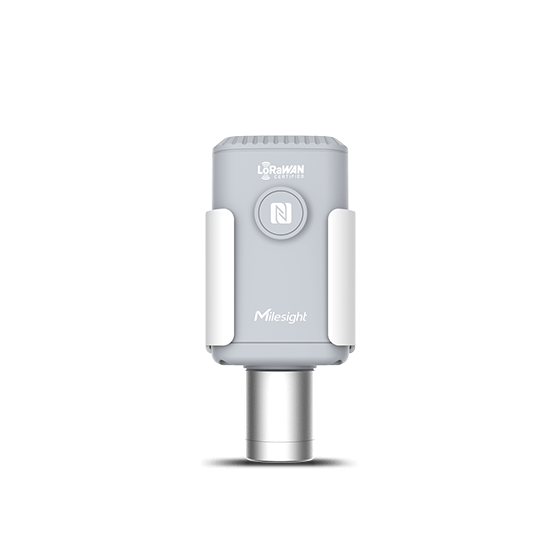 EM500Outdoor environmental sensorRugged EM500 series for outdoor CO2, level, pressure and soil measurement.
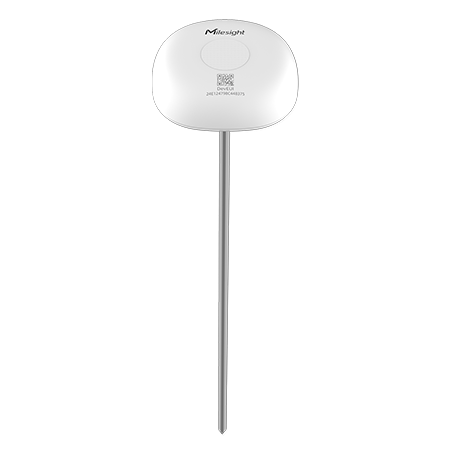 TS101Insertion temperature sensorLoRaWAN insertion probe for pipe, tank and process temperature.
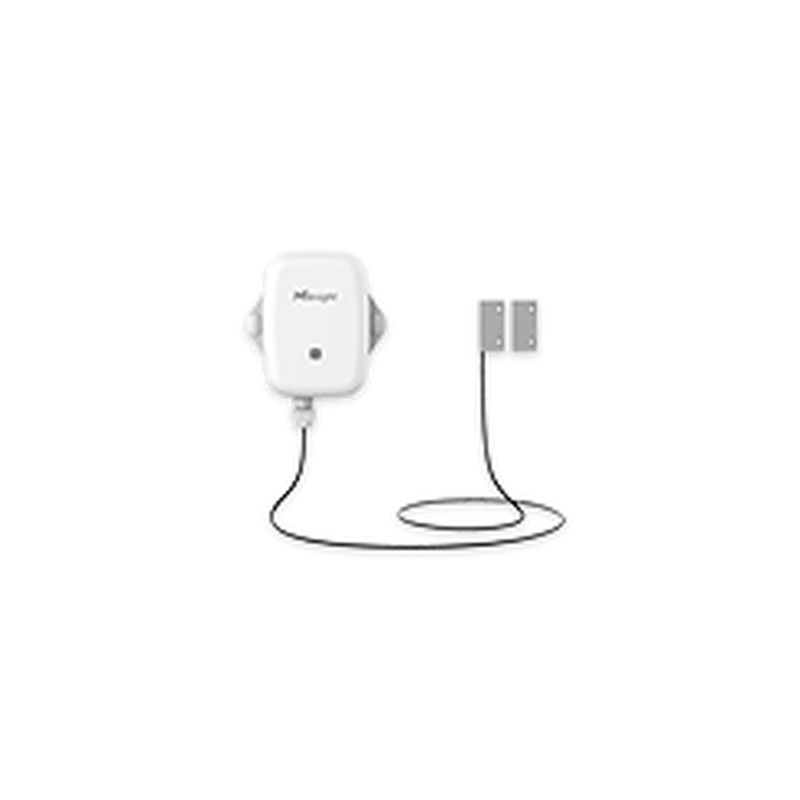 EM300Leak / contact / T+RH sensorCompact EM300 series for door, leak, temperature and humidity monitoring.
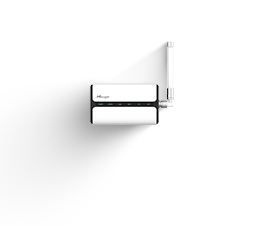 UG65Semi-industrial LoRaWAN gateway8-channel indoor gateway backhauling hundreds of LoRaWAN sensors over Ethernet, Wi-Fi or cellular.
Compliance and drivers in Oil & gas
Sites storing or processing large quantities of dangerous substances fall under the Control of Major Accident Hazards (COMAH) Regulations 2015, which implement the Seveso III Directive and are enforced by a Competent Authority of the HSE with the Environment Agency, SEPA or Natural Resources Wales. Upper-tier operators must produce safety reports and tested emergency plans, while operational technology increasingly falls within NIS cyber expectations. Continuous condition and leak monitoring supports major-accident prevention and record keeping.
Indiott builds the monitoring and evidence layer around those duties: continuous data, threshold alarms that reach the duty engineer by SMS, and timestamped records you can hand to an auditor. Useful references: HSE: Control of Major Accident Hazards Regulations 2015 (COMAH) Offshore Energies UK: key facts. The stacks oil & gas teams reach for most:
Why Oil & gas teams choose Indiott
Here is why oil & gas operators pick Indiott as their Industrial IoT for Oil and Gas partner rather than a generic reseller.
UK stock, UK delivery
Milesight, Atop and AquaIoT hardware supplied from the UK, typically dispatched within 14 working days nationwide.
Engineer-led, not box-shifting
An engineer scopes every enquiry and returns a costed bill of materials within one working day.
One stack, many brands
Interoperable sense, connect, secure, control and manage layers, so you are never locked to a single vendor.
Bespoke when off-the-shelf ends
When the device you need does not exist, we design and build it — firmware, enclosure and integration.
Industrial IoT for Oil and Gas: frequently asked questions
Are LoRaWAN sensors suitable for hazardous areas?
Monitoring is specified to suit the zone it sits in, with appropriately rated devices for classified areas and standard devices for safe areas such as offices, stores and plant rooms. The low-power radio itself carries little energy, which helps with siting across a large site.
How does monitoring support COMAH duties?
Continuous readings of temperature, pressure, level and gas give dated evidence that plant is being kept within safe limits and that abnormal conditions are detected and acted on. That record supports the major-accident prevention and emergency planning COMAH requires.
Can we keep monitoring off our control systems?
Yes. LoRaWAN condition monitoring runs on its own network, separate from safety instrumented and process control systems, which helps limit the cyber exposure that operational technology security expects operators to manage.
Scope your Oil & gas project
Tell us the asset, the site and the constraint. An Indiott engineer maps it to the right Industrial IoT for Oil and Gas stack and sends an itemised quote within one working day.
Related: Industrial IoT for Chemicals · Industrial IoT for Energy · Industrial IoT for Manufacturing
Next step
Scope it with an engineer.
Tell us the site, the assets and the constraint. You get a bill of materials and a straight answer within one working day.
- A bill of materials sized to your site
- Priced ex VAT, UK entity, no login wall
Rather talk it through? Call 023 9223 3611
Received. An engineer has it.
You will hear back within one working day with the parts, the prices and the lead time. A confirmation is on its way to your inbox.
If it is urgent, call 023 9223 3611.
Industrial IoT in other sectors
Buying guides