BUYING GUIDE · UK STOCK
People Counting Sensors for Retail, Venues & Public Buildings
Footfall is the denominator of every retail metric you care about. Count it properly — anonymously — and conversion, staffing and opening hours all become decisions instead of guesses.
Count people, not faces
People counting sensors answer the questions a till cannot: how many walked in, when the peaks hit, how many walked past without entering, and which zones pull people deeper into the space. Divide sales by accurate footfall and you finally know whether a quiet Tuesday was a traffic problem or a conversion problem.
Modern people counting sensors are anonymous by design — they process shapes, heat or depth at the edge and output only numbers, never images of identifiable people. That keeps deployments comfortably inside ICO expectations, and makes them as welcome in libraries and leisure centres as in shops.
The people counting sensors at every budget
Accuracy scales with price. Passing-traffic bars for £40, battery doorway counters for under £130, and AI stereo-vision units hitting 99.8 % accuracy at the top. All prices ex VAT; mix tiers freely across an estate.
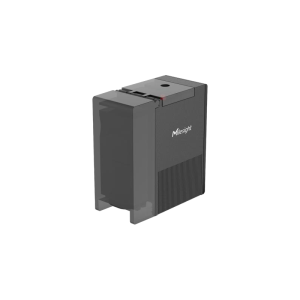 Shopfront passing trafficMilesight VS361 Storefront Footfall Sensor
Counts passers-by outside the window — the denominator for 'how many did the display convert inside?'
£40.40 ex VATView →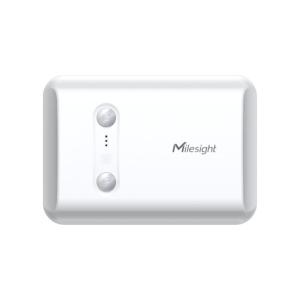 Corridors & passagesMilesight VS350 Passage People Counter
Battery-powered passage counter — screw it above a doorway and it counts for years.
£74.82 ex VATView →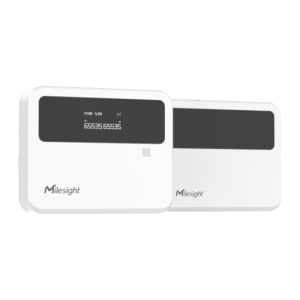 Standard doorwaysMilesight VS360 IR Breakbeam People Counter
IR break-beam pair for single entrances: simple, reliable, anonymous by physics.
£127.19 ex VATView →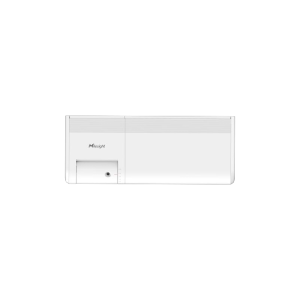 Wide entrances, batteryMilesight VS351 Thermopile People Counter
Thermopile sensing covers wider openings than break-beam while staying camera-free.
From £118.21 ex VATView →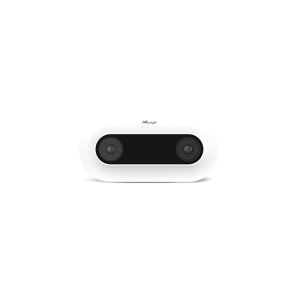 Accuracy that mattersMilesight VS125 AI Stereo Vision People Counter
AI stereo vision, up to 99.8 % accurate with bidirectional counts — the retail-analytics grade unit.
From £374.08 ex VATView →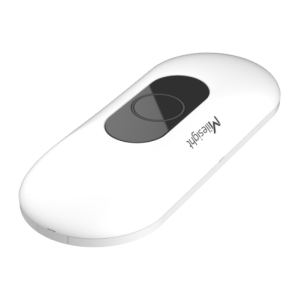 High + wide entrancesMilesight VS133-P AI ToF People Counting Sensor
ToF-based counting for tall or awkward entrances where stereo geometry struggles.
£492.30 ex VATView → Atriums & high mountsMilesight VS126 AI Ultra High-Mount People Counter
Ultra high-mount AI counter for atriums, malls and venue entrances with serious ceiling height.
From £822.99 ex VATView →Compare technologies and prices
| Product | Best for | Connectivity | Price (ex VAT) |
|---|---|---|---|
| Milesight VS361 Storefront Footfall Sensor | Passing traffic outside | LoRaWAN® | £40.40 |
| Milesight VS350 Passage People Counter | Internal passages | LoRaWAN® | £74.82 |
| Milesight VS360 IR Breakbeam People Counter | Single doorways | LoRaWAN® | £127.19 |
| Milesight VS351 Thermopile People Counter | Wide doorways, battery | LoRaWAN® | From £118.21 |
| Milesight VS125 AI Stereo Vision People Counter | Retail-grade accuracy | PoE / Ethernet | From £374.08 |
| Milesight VS133-P AI ToF People Counting Sensor | Tall/wide entrances | PoE / Ethernet | £492.30 |
| Milesight VS126 AI Ultra High-Mount People Counter | Atriums, high ceilings | PoE / Ethernet | From £822.99 |
Matching the technology to the doorway
Choose by entrance geometry and by what the number feeds. Staffing rotas and opening-hours decisions tolerate ±10 % — battery IR and thermopile units are perfect and install anywhere. Conversion-rate analytics and landlord reporting need the AI vision tier, where bidirectional accuracy up to 99.8 % survives prams, group entries and umbrellas.
The battery tier runs on LoRaWAN with zero cabling; the AI tier wants PoE, so plan a switch port per entrance. Estates mix both: AI vision on the flagship’s main doors, battery counters everywhere else, all in one dashboard.
- ±10 % is fine for rotas; conversion analytics deserve the 99.8 % tier
- Battery LoRaWAN counters install in minutes with no cabling at all
- AI units process on-device and output counts only — no images leave the sensor
- Storefront sensors count passing traffic for capture-rate analysis
- Occupancy caps: live in/out counts drive at-capacity displays
- One dashboard aggregates every site for portfolio benchmarking
Network and rollout
Battery counters need one UG63 gateway per site; PoE units plug into any PoE switch, and a single 4-port switch powers a whole entrance cluster. A typical shop deploys in under an hour; a shopping-centre estate rolls out over a weekend.
Counts flow to dashboards with per-site conversion overlays, and out through APIs to your BI stack. Libraries and councils use the same hardware for usage-based service planning — see our retail and local government pages for sector detail.
Why buy from Indiott
We are engineers first and a shop second. Buy online in GBP from UK stock, or call us on 023 9223 3611 and we will sanity-check your device list before you spend a penny — the right frequency band (EU868), the right probe, the right gateway for the building.
Frequently asked questions
How accurate are people counting sensors?
It scales with technology: IR break-beam and thermopile units typically land within ±5–10 %, which is ample for staffing and trend decisions. AI stereo-vision and ToF counters reach up to 99.8 % bidirectional accuracy and handle groups, children and trolleys — that is the tier to buy when conversion rate is the KPI.
Are they GDPR compliant?
The battery tiers are anonymous by physics — beams and heat, no optics capable of identifying anyone. The AI vision tier processes video on the device and transmits only count data; no images are stored or streamed. Both approaches sit comfortably within ICO guidance for footfall analytics.
Battery or PoE — which should we buy?
Battery LoRaWAN if you want zero-cabling installs, multi-year life and are happy with trend-grade accuracy. PoE AI vision if the number feeds financial metrics. Most estates run both: AI on the main doors, battery on secondary entrances and internal zones.
Can we measure capture rate — passers-by versus entries?
Yes: put a storefront footfall sensor on the window facing the street and an entrance counter on the door. The ratio of entries to passing traffic is your capture rate, and it is the single best measure of whether window displays and frontage changes actually work.
Know your footfall by next week
Tell us your entrance count and ceiling heights and we will spec the right people counting sensors per doorway with volume pricing — quote within one working day.
Next step
Scope it with an engineer.
Tell us the site, the assets and the constraint. You get a bill of materials and a straight answer within one working day.
- A bill of materials sized to your site
- Priced ex VAT, UK entity, no login wall
Rather talk it through? Call 023 9223 3611
Received. An engineer has it.
You will hear back within one working day with the parts, the prices and the lead time. A confirmation is on its way to your inbox.
If it is urgent, call 023 9223 3611.
More buying guides
By industry