BUYING GUIDE · CARE
Fall Detection Sensors for Care Homes & Supported Living
Falls are found, not prevented — usually on the next round, sometimes hours later. Radar sensing detects the fall in the room where it happens and pages staff in seconds, with no cameras and no wearables.
Minutes matter after a fall
Fall detection sensors close the gap between a fall and its discovery — the ‘long lie’ that turns a bruise into a hospital admission. Falls remain the leading cause of injury in older adults (see NHS guidance on falls), and the harm scales with time on the floor: circulation, pressure damage, hypothermia, fear.
The technology finally fits the setting. Radar-based fall detection sensors watch a whole room the way a smoke alarm watches for smoke — no camera, no microphone, nothing worn, nothing to charge or forget. When the pattern of a fall is recognised, staff phones get the room number in seconds, around the clock, in bathrooms where no camera could ever legally go.
The fall detection sensors and companions we recommend
The radar unit does the detection; presence, occupancy and call-button devices complete the picture — night wandering, bathroom dwell times and resident-initiated help on the same network and dashboard.
 Bedrooms & bathroomsMilesight VS373 Radar Fall Detection Sensor
Millimetre-wave radar recognises fall patterns in the room — camera-free, wearable-free, works in the dark and behind shower screens.
£231.93 ex VATView →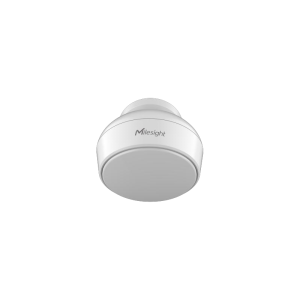 Presence & wanderingMilesight VS370 Radar Human Presence Sensor
Radar presence sensing knows the room is occupied even when someone is motionless — the night-check without opening the door.
£74.82 ex VATView →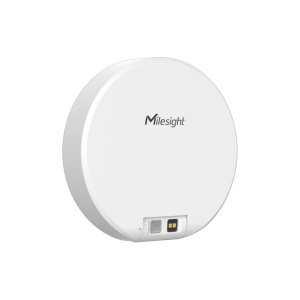 Bathroom dwell alertsMilesight VS330 Bathroom Occupancy Sensor
Anonymous occupancy for en-suites and communal WCs: flags 'occupied far too long', the classic silent emergency.
£67.34 ex VATView → Resident call buttonMilesight WS101 Smart Button
One press summons help to a named location — a modern pendant alternative that never leaves the bedside.
£35.91 ex VATView →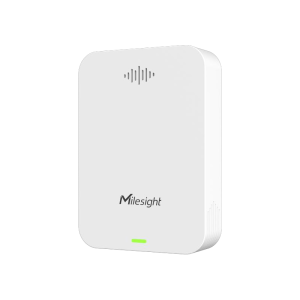 Hygiene monitoringMilesight Bathroom Odor Detector
Detects odour events in bathrooms so housekeeping responds to need, not just the rota — dignity by data.
£351.64 ex VATView →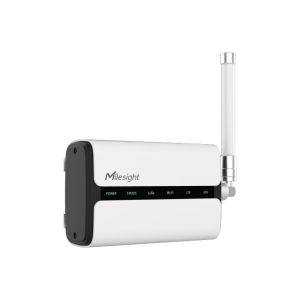 Whole-home gatewayMilesight UG65 Semi-industrial LoRaWAN Gateway
One semi-industrial LoRaWAN gateway carries every room in a typical care home.
From £279.82 ex VATView →Compare devices and prices
| Product | Best for | Connectivity | Price (ex VAT) |
|---|---|---|---|
| Milesight VS373 Radar Fall Detection Sensor | Fall recognition per room | LoRaWAN® | £231.93 |
| Milesight VS370 Radar Human Presence Sensor | Presence, night checks | LoRaWAN® | £74.82 |
| Milesight VS330 Bathroom Occupancy Sensor | Bathroom dwell time | LoRaWAN® | £67.34 |
| Milesight WS101 Smart Button | Call for help | LoRaWAN® | £35.91 |
| Milesight Bathroom Odor Detector | Bathroom hygiene | LoRaWAN® | £351.64 |
| Milesight UG65 Semi-industrial LoRaWAN Gateway | Site gateway | LoRaWAN® gateway | From £279.82 |
Designing room-level safety that respects dignity
Start where falls actually happen: bedrooms at night and bathrooms at all hours. A radar unit in each high-risk resident’s room plus every communal bathroom covers the large majority of incidents; blanket coverage can follow once the workflow is proven. Radar’s advantage over wearables is compliance by default — nothing to refuse, remove or forget — and over cameras it is categorical: bathrooms and bedrooms stay private.
Plan the response before the hardware: fall detection sensors are only as good as the escalation they trigger. Route alerts to the floor team’s handsets with an acknowledge-or-escalate rule — unacknowledged in two minutes goes to the nurse in charge. CQC inspectors respond well to the audit trail this creates: every alert, response time and outcome, logged without a single camera.
- Radar recognises fall patterns — no wearable, no camera, works in darkness
- Bathrooms and en-suites are fully coverable, unlike any camera system
- Acknowledge-or-escalate alert chains stop alarms dying in a busy shift
- Dwell-time rules catch the falls radar geometry misses
- Alert history gives CQC evidence of response times, automatically
- Same network extends to door, heating and air monitoring room by room
Rollout in an operating home
Installation is non-disruptive by design: sensors mount to ceilings or walls in minutes, and one UG65 gateway in a central corridor typically covers a whole home, including outbuildings. A 40-room home is normally live within a day, rooms prioritised by falls history first.
The same network immediately supports the rest of the care environment: damp and mould monitoring in resident rooms, heating controls for comfort without radiator wars, and door sensors on exits for wandering risk. See IoT for healthcare for the sector picture.
Why buy from Indiott
Indiott is the trading name of PSI Technologies Ltd, a UK industrial-communications specialist. Every device on this page is priced in GBP, held in UK stock and dispatched with UK-based support — no grey imports, no marketplace resellers, no guessing which regional frequency band you have been shipped.
Frequently asked questions
How do radar fall detection sensors work without a camera?
Millimetre-wave radar reads position and motion patterns in the room — a rapid descent followed by stillness at floor level matches a fall signature and triggers the alert. No image is formed at any point, which is why the same unit is acceptable in bathrooms and bedrooms where cameras are not.
Are they better than pendant alarms?
They are complementary, with one crucial difference: a pendant only works when worn and pressed. Roughly half of fallers cannot or do not press their pendant — unconsciousness, confusion, or it is on the nightstand. Room-based fall detection sensors need no action from the resident at all.
What about false alarms?
Radar fall signatures are specific — sitting on the floor deliberately, dropped objects and pets do not match the descent-plus-stillness pattern. The practical false-positive rate is low enough that staff keep trusting alerts, which is the metric that matters; dwell-time rules on bathrooms add a second, independent safety net.
Can the system prove response times to CQC?
Yes — every alert is time-stamped through acknowledgement to resolution, producing an objective record of night-time coverage and response performance. Homes use the same data internally to adjust staffing to the hours falls actually cluster in.
Cover the high-risk rooms this month
Tell us bedroom and bathroom counts and we will spec fall detection sensors room by room with volume pricing for the whole home — quote within one working day.
Next step
Scope it with an engineer.
Tell us the site, the assets and the constraint. You get a bill of materials and a straight answer within one working day.
- A bill of materials sized to your site
- Priced ex VAT, UK entity, no login wall
Rather talk it through? Call 023 9223 3611
Received. An engineer has it.
You will hear back within one working day with the parts, the prices and the lead time. A confirmation is on its way to your inbox.
If it is urgent, call 023 9223 3611.
More buying guides
By industry