BUYING GUIDE · EDUCATION
Vape Detectors for Schools, Colleges & Venues
You cannot put cameras in toilets — but you can put sensors there. Camera-free vape detection alerts staff phones in seconds, with none of the privacy problems.
The toilets problem, solved without cameras
Vape detectors for schools exist because the two places students vape — toilets and changing rooms — are exactly the places where cameras are unlawful. A vape detector is a privacy-safe air sensor: no camera, no microphone, no images of anyone. It recognises vaping aerosol and sends a discreet alert to staff phones while the student is still in the room.
Youth vaping is a genuine welfare issue, not just a discipline one — the NHS’s Better Health resources and ASH research both track its rise among under-18s. Detection gives pastoral teams the where-and-when data to intervene early and to place supervision where it actually changes behaviour.
The vape detectors for schools setup that works
The detector does the sensing; the supporting cast makes it effective — occupancy sensors to corroborate, a smart button for staff duress, and one gateway to carry the lot. Everything is camera-free and battery or low-voltage powered.
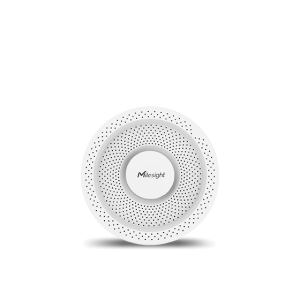 Toilets & changing roomsMilesight Vape Detector
The core device: detects vaping aerosol and alerts staff instantly. Tamper-aware, camera-free, discreet ceiling mount.
£164.60 ex VATView →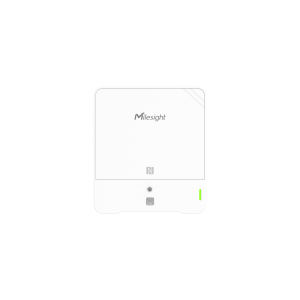 Corroborating air dataMilesight AM308L Indoor Ambience Monitoring Sensor
8-in-1 air sensor including TVOC — adds context in common areas and catches aerosol drift outside cubicle areas.
£239.41 ex VATView →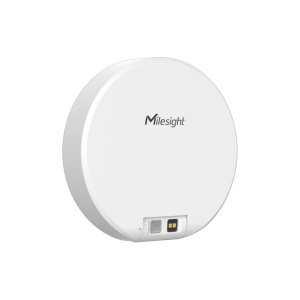 Cubicle occupancyMilesight VS330 Bathroom Occupancy Sensor
Anonymous occupancy sensing for toilet blocks: pair a vape alert with 'three students, eight minutes' context.
£67.34 ex VATView → Staff duress buttonMilesight WS101 Smart Button
One press summons support to a location — useful for the intervention moment, not just the detection.
£35.91 ex VATView →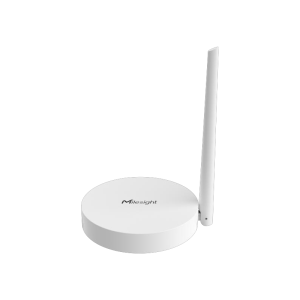 Small-site gatewayMilesight UG63 Mini LoRaWAN® Gateway
Mini LoRaWAN gateway; one covers a toilet block cluster and nearby corridors.
From £98.76 ex VATView →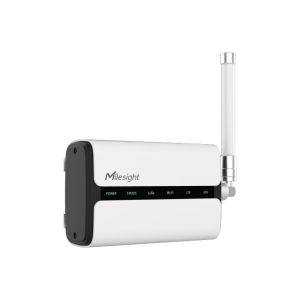 Whole-school gatewayMilesight UG65 Semi-industrial LoRaWAN Gateway
The semi-industrial gateway for full-campus coverage from one unit.
From £279.82 ex VATView →Compare the components
| Product | Best for | Connectivity | Price (ex VAT) |
|---|---|---|---|
| Milesight Vape Detector | Toilets, changing rooms | Wireless (camera-free) | £164.60 |
| Milesight AM308L Indoor Ambience Monitoring Sensor | Common-area air context | LoRaWAN® | £239.41 |
| Milesight VS330 Bathroom Occupancy Sensor | Anonymous occupancy | LoRaWAN® | £67.34 |
| Milesight WS101 Smart Button | Staff alert button | LoRaWAN® | £35.91 |
| Milesight UG63 Mini LoRaWAN® Gateway | Block-level gateway | LoRaWAN® gateway | From £98.76 |
| Milesight UG65 Semi-industrial LoRaWAN Gateway | Campus gateway | LoRaWAN® gateway | From £279.82 |
Placement, policy and what to expect
Coverage first: one detector per toilet block ceiling void or open ceiling area, positioned over the cubicle run rather than the door. Changing rooms usually need one per bank of lockers. Detection is fast, so the alert workflow matters more than the hardware — decide who receives alerts (pastoral on-call, not a shared inbox) and what the response script is before you switch anything on.
Be straight with students and parents that vape detectors for schools are air sensors, not surveillance: publishing the fact of detection is itself a deterrent, and schools typically report incident clusters dropping sharply within the first half-term. Expect displacement — that is what the occupancy sensors and rotating placement are for.
- No cameras, no microphones, no personal data — safe for toilets and changing rooms
- Alerts reach named staff phones in seconds, with location
- Tamper awareness flags attempts to cover or knock the unit
- Occupancy pairing tells you how many were present, anonymously
- Works in colleges, leisure centres, hotels and student accommodation identically
- Publish the policy — deterrence does half the work
Install and network
A toilet-block cluster runs off one UG63 gateway in a nearby corridor; whole-campus deployments use a UG65 centrally. Detectors mount to the ceiling in minutes; nothing needs a network drop in the toilets themselves.
The same network is reusable immediately: add classroom CO2 monitoring — most schools deploy both together since the gateway is shared and the estates dashboard is the same one.
Why buy from Indiott
Indiott is the trading name of PSI Technologies Ltd, a UK industrial-communications specialist. Every device on this page is priced in GBP, held in UK stock and dispatched with UK-based support — no grey imports, no marketplace resellers, no guessing which regional frequency band you have been shipped.
Frequently asked questions
Are vape detectors legal in school toilets?
Yes. Unlike cameras, vape detectors for schools capture no images, audio or personal data — they sense air composition, the same legal footing as a smoke alarm. Good practice is to tell students and parents detection is in place; the transparency itself deters.
How do staff receive alerts?
Push notification, email or SMS to named staff, with the device location — ‘D-block boys’ toilets’ — within seconds of detection. Alert routing is configurable by time of day, so lunchtime alerts can go to the duty team and evening lets to site staff.
Will it catch smoking as well as vaping?
The detector responds to vaping aerosol and smoke-type particulates, so conventional smoking in an enclosed space will also trigger it. It will not identify individuals — pair alerts with staff response for that.
What does a typical secondary school need?
Most start with four to six detectors covering the main toilet blocks plus one gateway: £757.16 to £1,086.36 ex VAT of hardware with a UG63 gateway, or £938.22 to £1,267.42 with a UG65, at the prices here. Ask us for education volume pricing if you are covering a whole trust.
Quiet toilets by half term
Tell us how many toilet blocks and changing rooms you need covered and we will price the full setup — detectors, gateway and alerting — within one working day.
Next step
Scope it with an engineer.
Tell us the site, the assets and the constraint. You get a bill of materials and a straight answer within one working day.
- A bill of materials sized to your site
- Priced ex VAT, UK entity, no login wall
Rather talk it through? Call 023 9223 3611
Received. An engineer has it.
You will hear back within one working day with the parts, the prices and the lead time. A confirmation is on its way to your inbox.
If it is urgent, call 023 9223 3611.
More buying guides
By industry