Priced kit · Buildings and estates
Energy Monitoring Kit: Six Circuits and a Gas Meter
Six self-powered current clamps for the circuits you want to understand, a pulse counter for the gas meter and a gateway, without rewiring the distribution board. 8 parts for £523.74 ex VAT.
- 8 parts
- £537.99 ex VAT, delivered
- Dispatched within 14 working days
- UK 868 MHz versions
What is in the kit
| Part | What it does here | Qty | Line ex VAT |
|---|---|---|---|
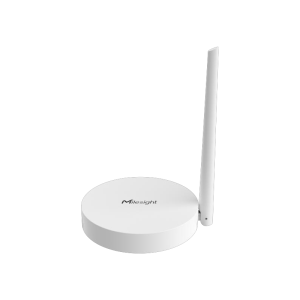 UG63 mini LoRaWAN gatewayUG63-868M · £98.76 eachCollects all seven devices on its own network server. Needs Ethernet, or choose the 4G version. UG63 mini LoRaWAN gatewayUG63-868M · £98.76 eachCollects all seven devices on its own network server. Needs Ethernet, or choose the 4G version.
|
Collects all seven devices on its own network server. Needs Ethernet, or choose the 4G version. | 1 | £98.76 |
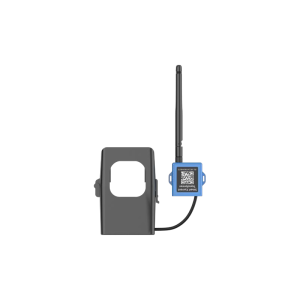 CT101 current transformer, 100 ACT101-868M · £62.85 eachOne per circuit up to 100 A, round a single conductor through a 16 mm opening. Self-powered, ±1% above 5 A. CT101 current transformer, 100 ACT101-868M · £62.85 eachOne per circuit up to 100 A, round a single conductor through a 16 mm opening. Self-powered, ±1% above 5 A.
|
One per circuit up to 100 A, round a single conductor through a 16 mm opening. Self-powered, ±1% above 5 A. | 6 | £377.10 |
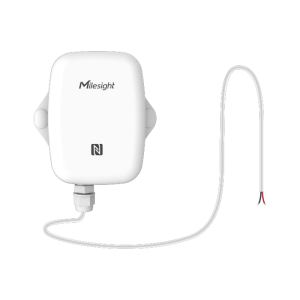 EM300-DI pulse counter and digital inputEM300-DI-868M · £47.88 eachCounts the gas meter's pulse output, up to 2,000 pulses a second, and logs room temperature and humidity. EM300-DI pulse counter and digital inputEM300-DI-868M · £47.88 eachCounts the gas meter's pulse output, up to 2,000 pulses a second, and logs room temperature and humidity.
|
Counts the gas meter's pulse output, up to 2,000 pulses a second, and logs room temperature and humidity. | 1 | £47.88 |
| Parts | £523.74 | ||
| UK delivery, one flat charge per order | £14.25 | ||
| Total ex VAT | £537.99 | ||
Prices are read from the shop each time this page loads and exclude VAT. Every part is also sold on its own, so you can change any quantity once the kit is in your basket.
The CT101 clamps round a single conductor and powers itself from the current flowing through it, so there is no battery to replace and no supply to wire. Above 5 A it reads to ±1%. The EM300-DI counts the pulse output many gas meters already have, so gas and electricity arrive on the same timeline.
Circuit-level data is what turns a monthly bill into answers: which plant runs overnight, which floor wastes power at weekends, and what the building draws when it should be empty.
Sizing it for your site
- One clamp per conductor you want to measure. On a three-phase supply that means three clamps for one circuit, one on each phase.
- The CT101 is for circuits up to 100 A with cables that pass through a 16 mm opening. Larger feeders need the CT303 range.
- One EM300-DI per meter with a pulse output. Check the meter plate for the pulse value before ordering.
- Start with the circuits you suspect: air conditioning, kitchen, lighting and anything that should be off at night.
What this kit will not do
- The CT101 measures current. Energy in kWh is calculated from that current and an assumed voltage and power factor, so treat it as management data, not a billing meter.
- Because it powers itself from the circuit, a CT101 stops reporting when the current falls below about 1.5 A, unless it is powered over USB-C.
- Fitting clamps inside a distribution board is work for a competent electrician, with the board made safe first.
- The EM300-DI needs a meter with a pulse output. Meters without one need a clamp or a meter change instead.
Setting it up
- Survey the board. List the circuits, their conductors and their ratings, and photograph the gas meter plate for its pulse value.
- Join the devices. Tap each device with a phone running Milesight's configuration app to join it to the gateway before it goes in the board.
- Fit the clamps. An electrician clips each CT101 round a single conductor, never round the whole cable, with the board isolated.
- Connect the pulse counter. Wire the EM300-DI to the meter's pulse output and enter the pulse value in the app.
- Check against the bill. After a month, compare the totals with the supplier's meter reading and correct any scaling.
Before you order
Do the clamps need batteries?
No. The CT101 takes its power from the current flowing through the conductor it clamps, or from a USB-C supply if the circuit is often lightly loaded.
Why do I need an electrician?
Because the clamps go round live conductors inside the distribution board. The installation itself is quick, but the board must be made safe by someone competent to do it.
Is this accurate enough for ESOS?
It is good management data for finding where energy goes. The formal ESOS assessment still relies on your billing and metered supply data, which our ESOS Phase 4 guide covers.
What if my gas meter has no pulse output?
Some meters accept a clip-on pulse unit from the meter supplier. Where that is not possible, gas cannot be read with this kit. Our pulse counter guide explains the outputs to look for.
Further reading
- Overnight baseload: the power a building uses when empty
- WS523 smart socket: plug-level energy data
- LoRaWAN current transformers: sizing CT clamps
- Pulse counter: reading the meters you already own
- Energy monitoring sensors for commercial buildings
- ESOS Phase 4: the metering data you need
- CT101 current transformer
- EM300-DI pulse counter
Other priced kits
- Server room monitoring kitOne server or comms room£290.28 parts ex VAT
- Classroom CO2 monitoring kitTen classrooms£1,520.26 parts ex VAT
- Damp and mould monitoring kitOne home, three rooms£248.38 parts ex VAT
- Vacant property monitoring kitOne empty building£408.49 parts ex VAT
- Plant room monitoring kitOne boiler or heat pump plant room£317.22 parts ex VAT
- Archive and collections monitoring kitFour stores or galleries and one display£411.48 parts ex VAT